
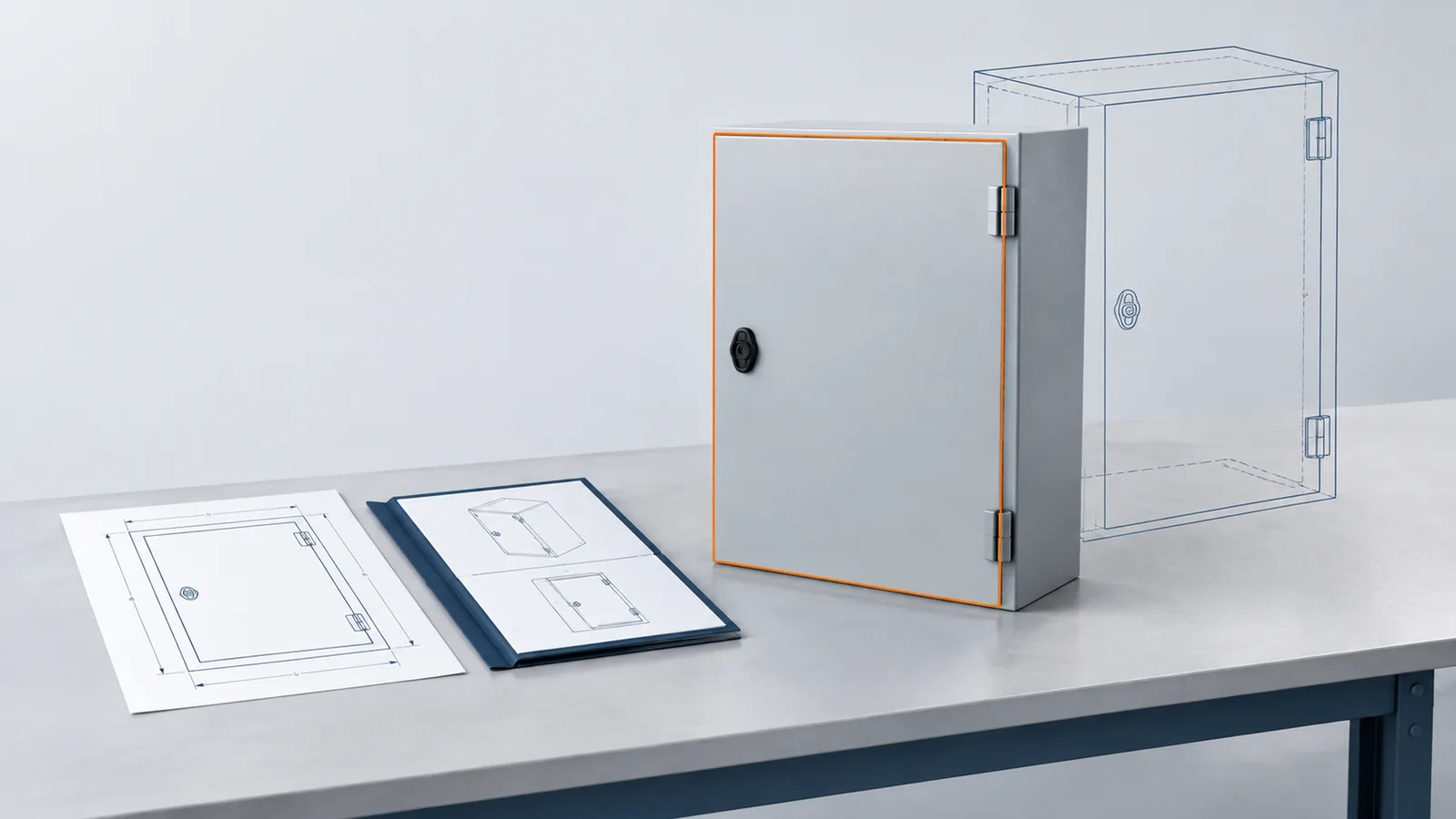

IK ratings for electrical enclosures describe protection against external mechanical impacts under IEC 62262. Before you approve an IK-rated cabinet, check which enclosure, door and fitted parts the evidence covers. The code needs to match the configuration on your purchase order.[1][18]
Start the supplier conversation with one question: “Does this report cover the enclosure on our final drawing?” A useful answer identifies the model, drawing revision, door arrangement and mounting method, then explains any differences from the tested sample.
What does an IK rating tell you?
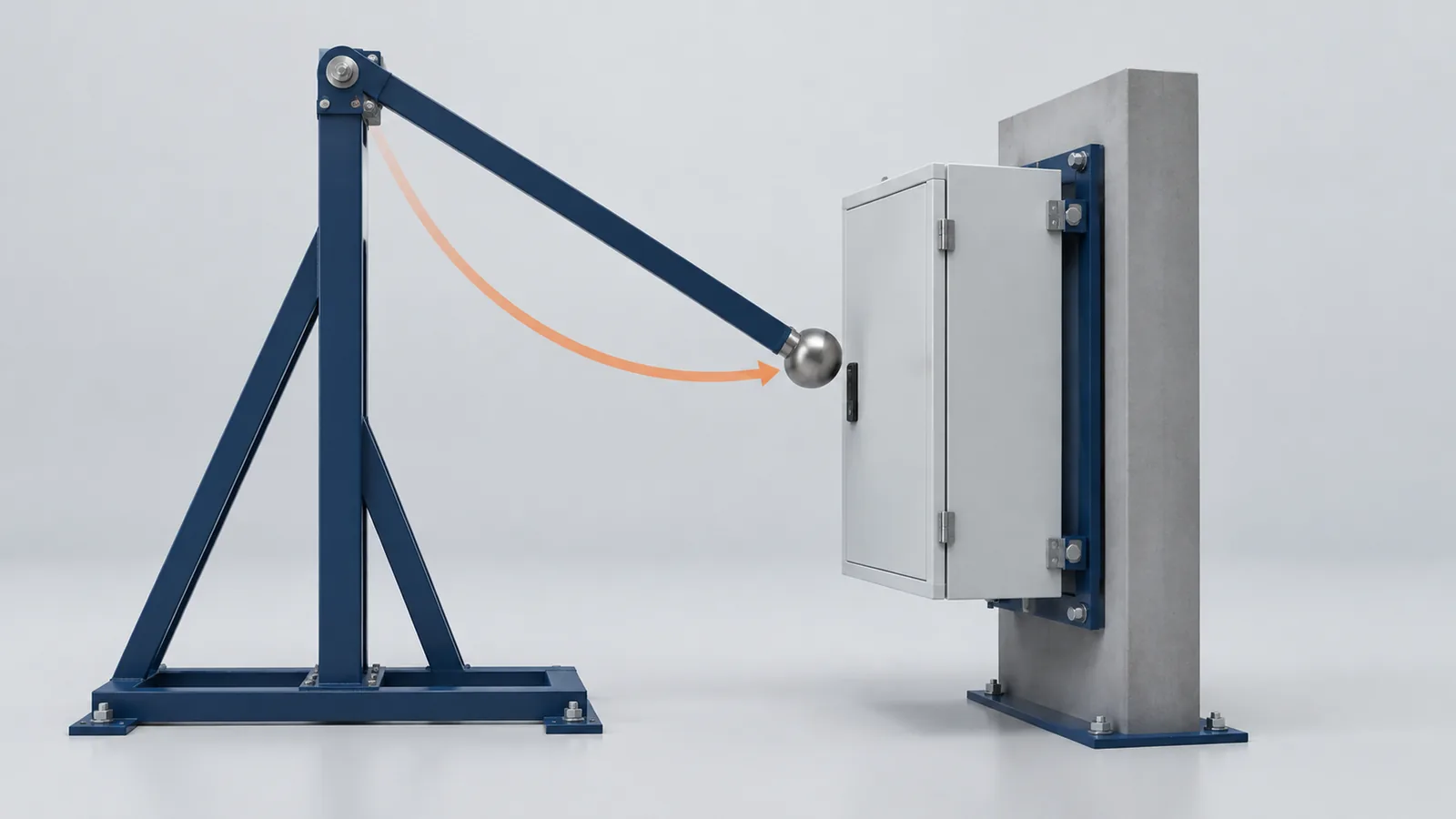
An IK code corresponds to a specified impact energy, measured in joules. IK08 is 5 J, IK09 is 10 J and IK10 is 20 J. Amendment 1:2021 to IEC 62262 also lists IK11 at 50 J.[2]
These values belong to controlled tests. IEC 60068-2-75 defines hammer-test methods using prescribed impact energies and directions. A rating alone doesn’t establish resistance to a forklift collision, forced entry or every object someone might throw at a cabinet.[4]
For a project exposed to those hazards, specify the hazard separately. Put vehicle separation, barriers or security requirements into the site review instead of expecting the enclosure’s IK number to answer them.
IK rating chart
The energy values below follow Table 1 of IEC 62262 Amendment 1:2021.[2]
| IK code | Specified impact energy |
|---|---|
| IK00 | No protection classified under this standard |
| IK01 | 0.14 J |
| IK02 | 0.20 J |
| IK03 | 0.35 J |
| IK04 | 0.50 J |
| IK05 | 0.70 J |
| IK06 | 1 J |
| IK07 | 2 J |
| IK08 | 5 J |
| IK09 | 10 J |
| IK10 | 20 J |
| IK11 | 50 J |
Use the chart to read a specification. To select a level, you still need the installation risks and applicable product requirements. IEC 62262 explicitly directs users to the manufacturer to establish which ratings are available and which equipment parts they cover.[18]
Start with what could hit the enclosure
Picture the installation before choosing a number. Could a maintenance cart strike the lower door? Is a viewing window within reach of the public? Will the enclosure sit beside a loading route, or behind a locked plant-room door?
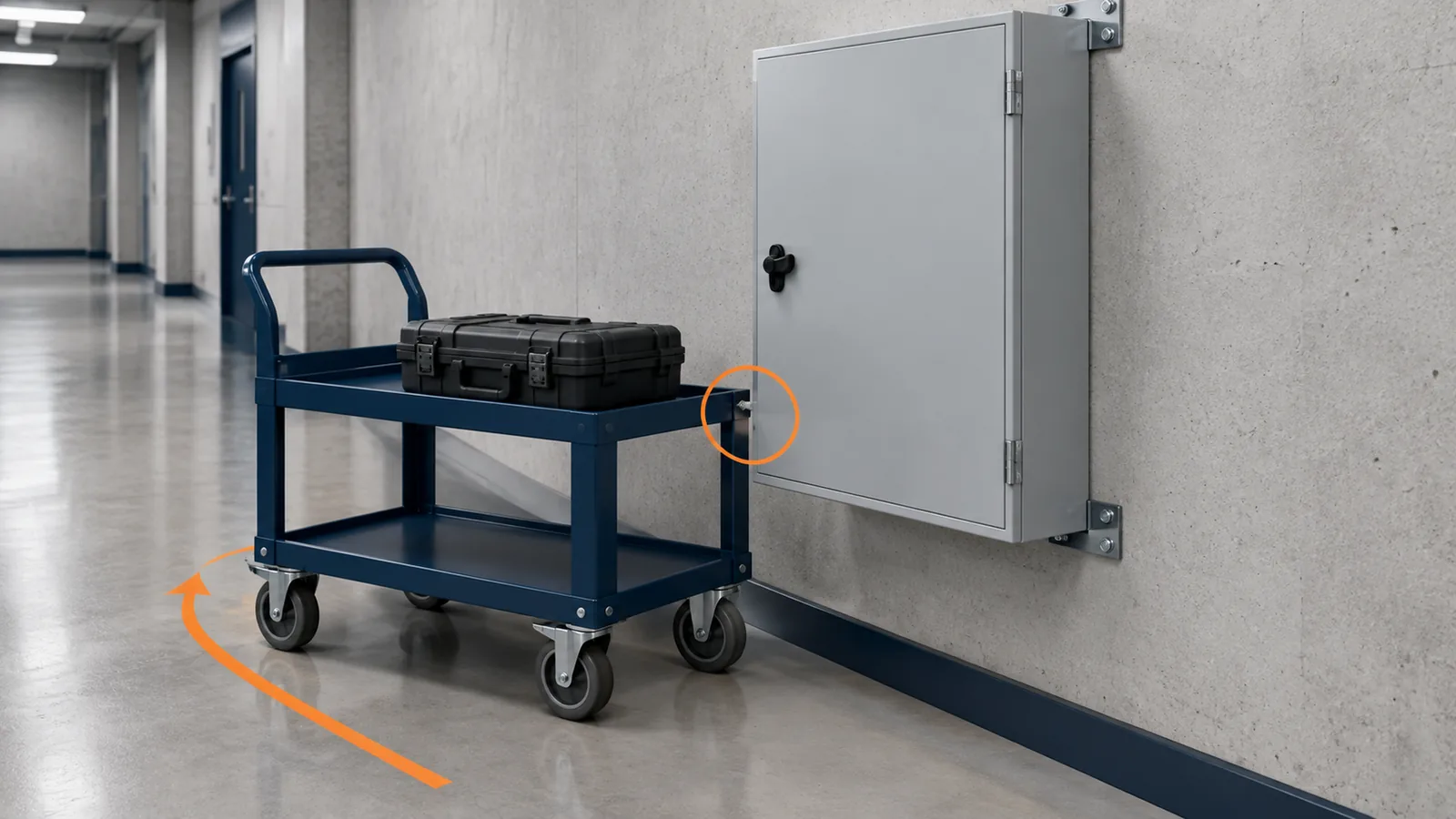
Mark the exposed areas on a site photo or layout. Then write down what must still work after the specified impact: access protection, door operation, sealing or another project requirement. Let the responsible project engineer use those inputs, together with the applicable standards, to set the target.
For a wall-mounted electrical enclosure, include the brackets, mounting surface and installed orientation in the review. For an outdoor electrical enclosure, also describe public access, rain exposure and the position of external equipment.
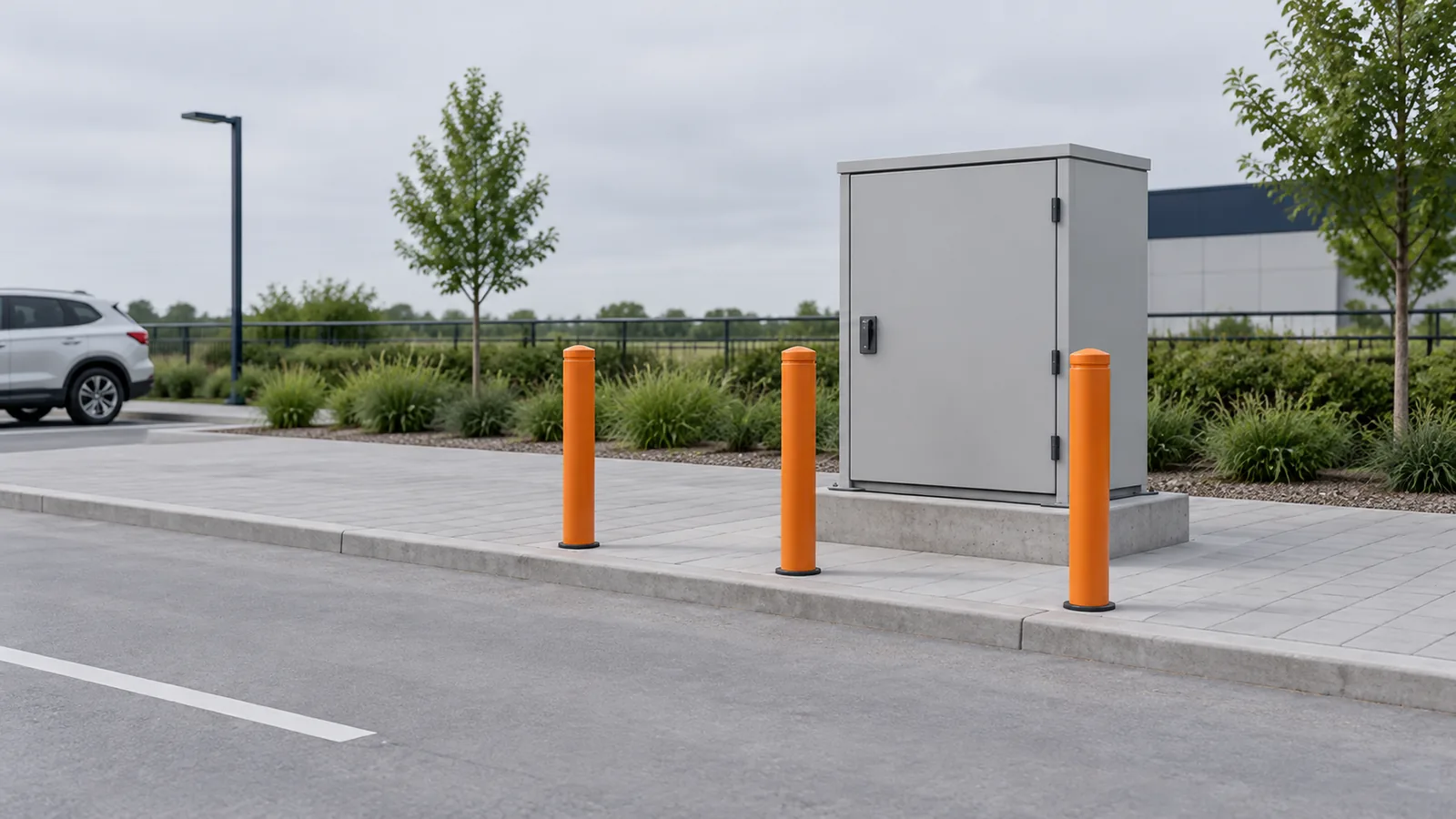
Use that installation brief to compare bids. Each supplier should explain how the offered configuration meets the same project requirement.
Which door and configuration does the evidence cover?
A 2021 DEKRA test certificate for Tekpan’s TEOS plus+/standard enclosures lists IK10 for the metal enclosure and IK08 for the glass door. Its annex also identifies floor-standing mounting, door dimensions, hinges, locking arrangements and the glass specification.[7]
That is the detail to look for when a supplier offers several versions under one family name. If your drawing calls for a glazed door, have the supplier point to the scope covering that door. A metal-enclosure result doesn’t establish the glass-door result.[7]
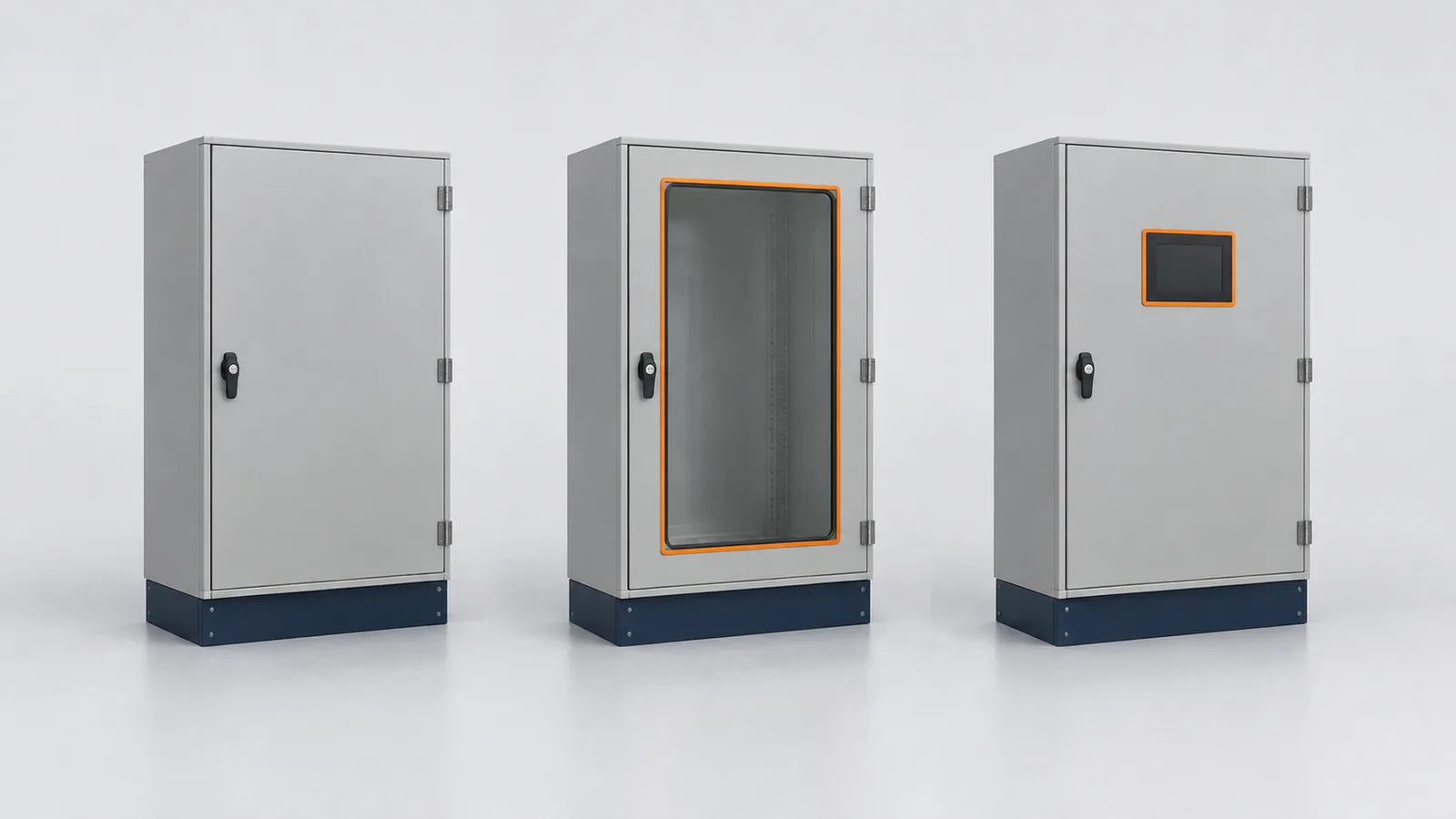
Compare the quotation with the supporting documents for:
- Model and overall dimensions, including door size.
- Solid or glazed door, single or double door, hinges and locks.
- Windows, fan openings, HMI cutouts and cable-entry plates.
- Wall, floor or pole mounting, including the specified supports.
- The supplied condition: empty enclosure, fitted enclosure or completed equipment.
Treat each difference as a question to resolve. For example: “The report shows a solid door; our drawing has an HMI opening. What evidence covers that change?”
Do not infer an IK rating from sheet thickness. Record thickness as part of the design, then verify the claimed rating against evidence for the applicable enclosure configuration.[18]
How to read an IK test report before approving an order
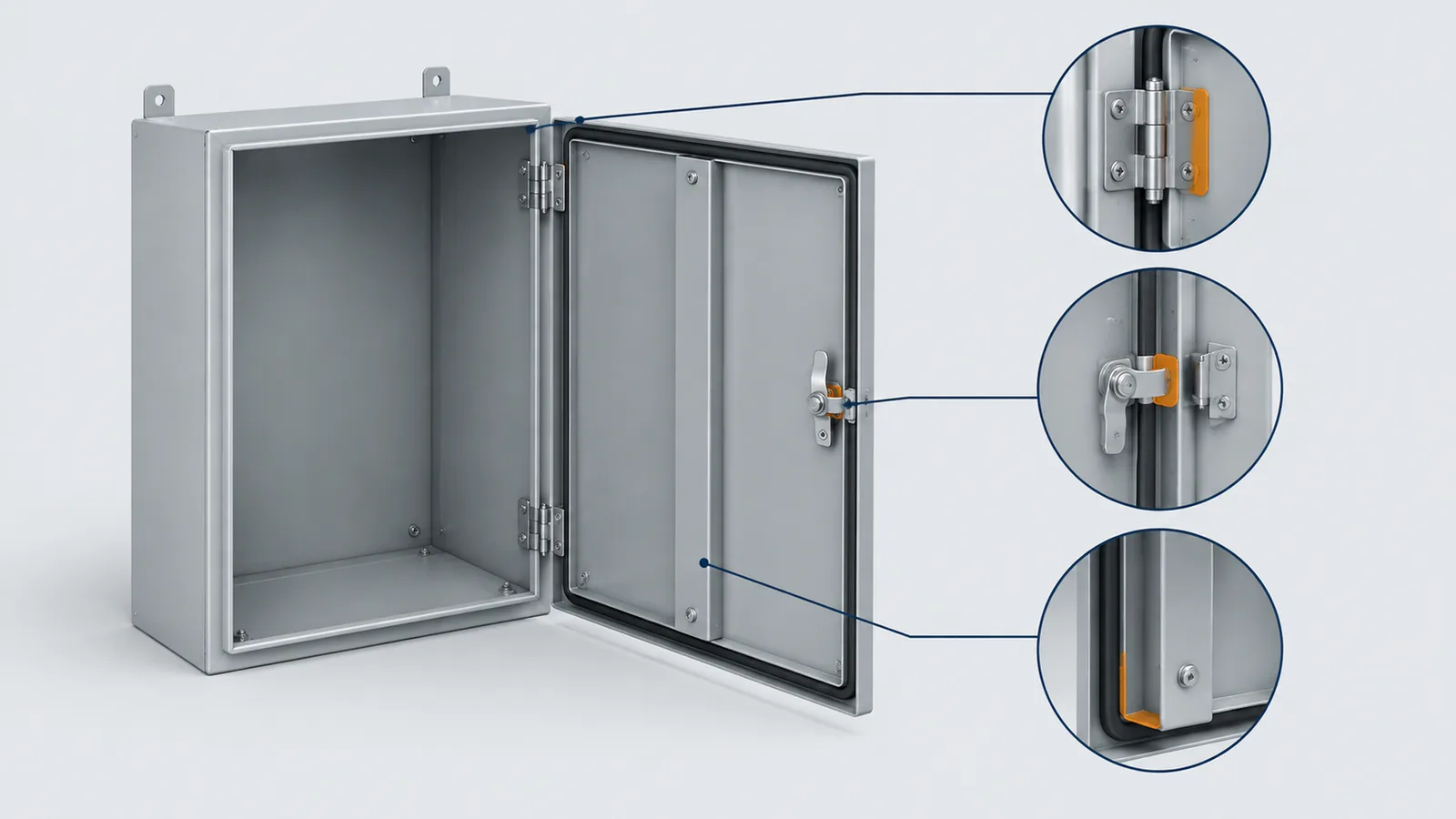
Request the full report, or enough traceable documentation to establish its scope. A certificate can identify a tested product and the underlying report; it may not contain the setup details you need. The TEOS certificate, for example, points to a separate report and states that its examination concerned a submitted specimen, without assessing the manufacturer’s production.[7]
Use the following review sequence as a purchasing checklist.
1. Match the sample to the quotation
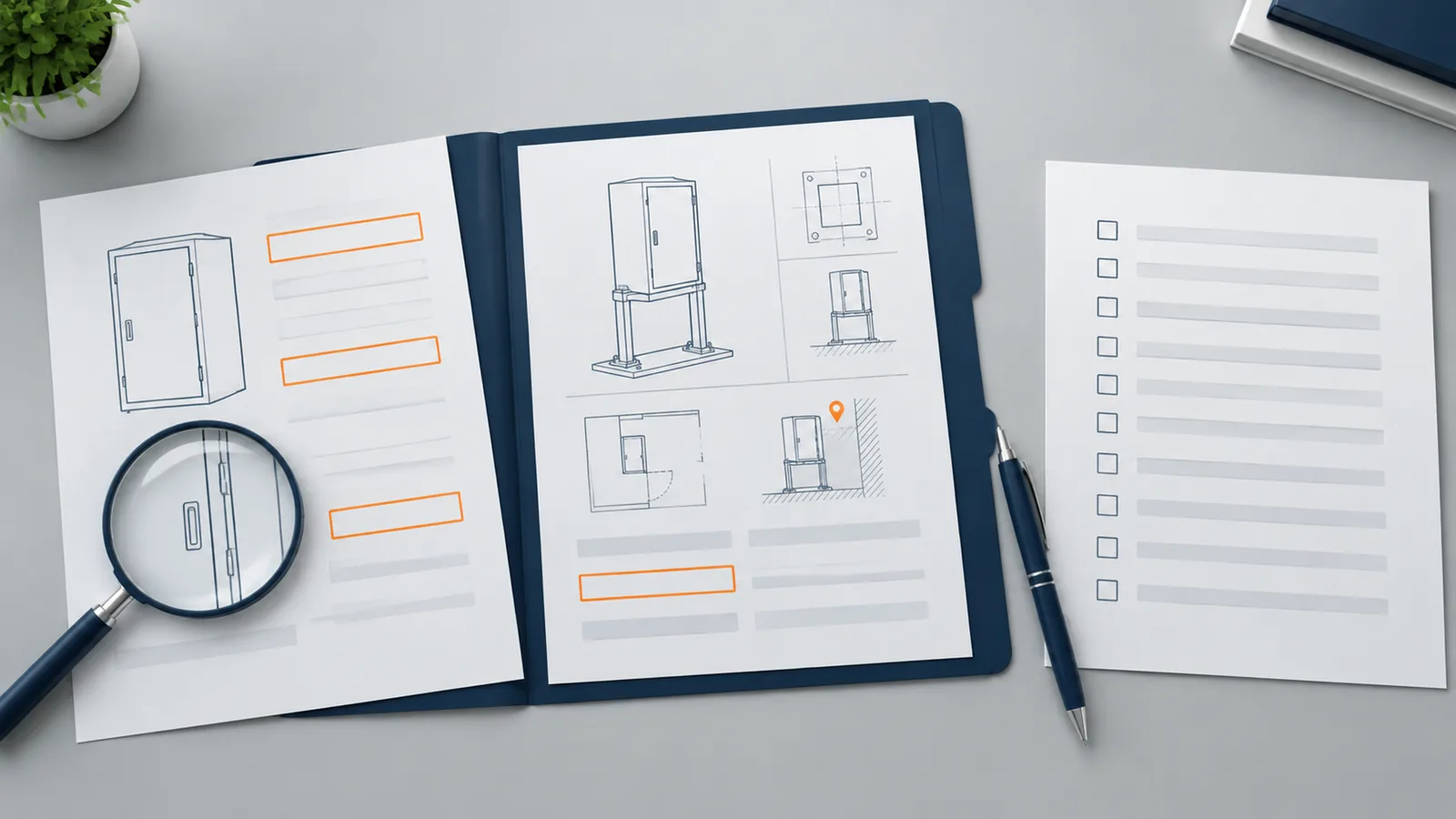
Check the manufacturer, model, specimen description and photographs against the quoted drawing. Ask for a written explanation if a representative sample is being used to cover other sizes or variants.
The published BJS1 report for Zhejiang B&J identifies an empty enclosure, model BJS1, with IP66 and IK10 ratings. Its product description specifies an outdoor wall-mounted enclosure with two locks. Those details define the object being discussed; the report also limits its results to the tested object.[8]
2. Check the standards and editions
Record the standards exactly as the report cites them. IEC 62262 supplies the IK classification, while IEC 60068-2-75 covers hammer-test methods. The enclosure’s product standard can add relevant requirements.[1][18][4]
The IEC catalogue currently lists IEC 60068-2-75:2014+AMD1:2025, including a December 2025 corrected version. An older report should retain its actual test basis. Ask the project reviewer whether that basis meets the contract rather than relabeling it with a newer date.[4]
3. Review the setup and impact locations
Have the supplier identify the mounting arrangement, impact energy, apparatus, number and location of strikes, and the parts included in the test. Ask specifically about exposed windows, door-mounted devices and removable panels.
Photographs are useful here. Place the tested sample beside the final drawing and mark anything that has changed. Request an engineering assessment or additional testing where the existing evidence doesn’t cover the change.
4. Read what “pass” means
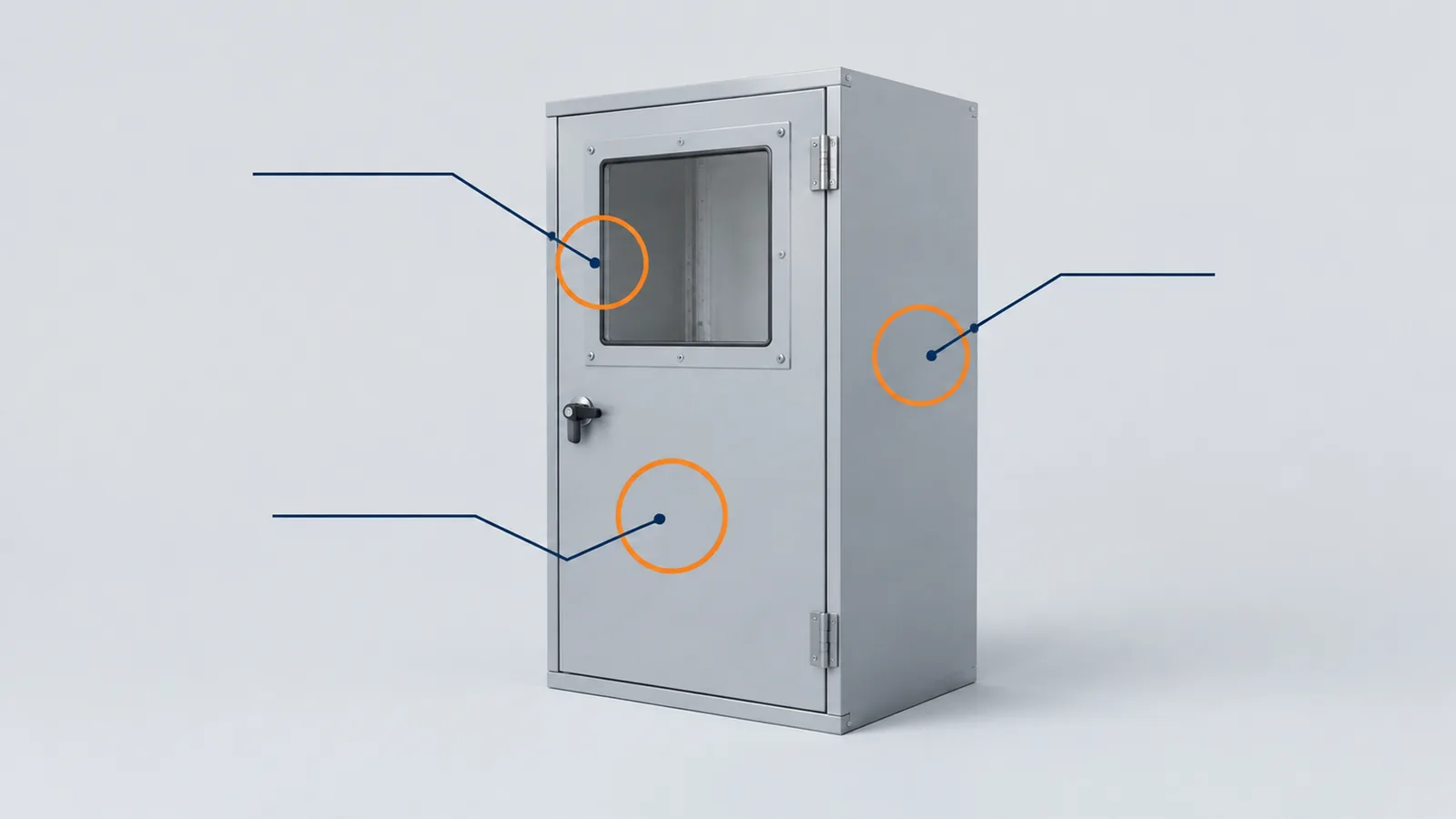
Look for the acceptance criteria and recorded post-test checks. In the BJS1 report, the impact section addresses continued IP protection and dielectric strength, removal and refitting of covers, and opening and closing of doors.[8]
There is also a link between IK evaluation and ingress protection: the 2021 amendment to IEC 62262 adds a fallback acceptance criterion where other criteria are absent, excluding damage that impairs the specified IP code.[2]
Ask how compliance was checked and which test sequence was used. That gives you a firmer basis for approval than a photograph of an apparently undamaged door.
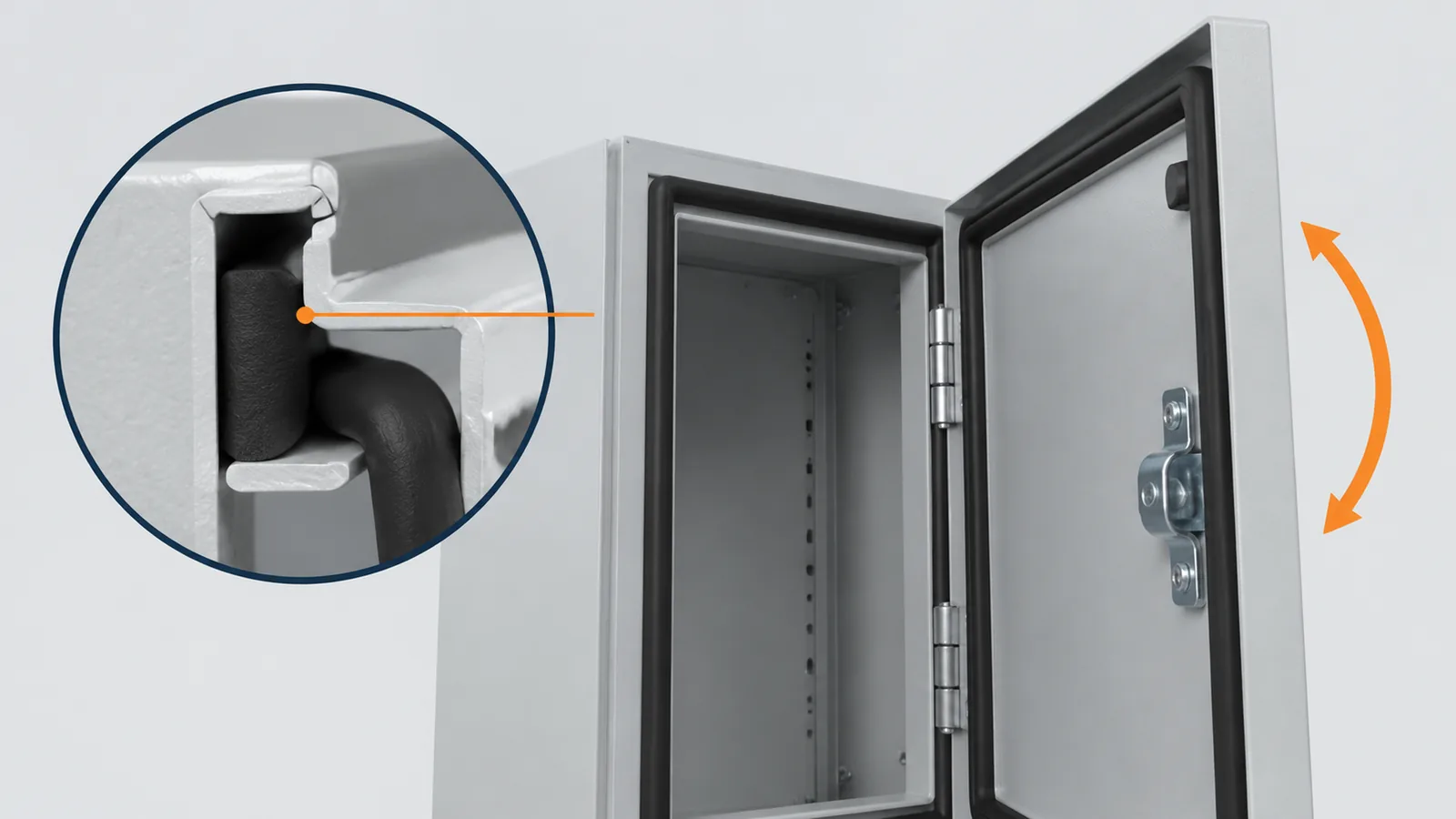
Buyer verification table: risk, configuration and evidence
Use this table in the RFQ or technical submittal review. It is a buyer’s checklist, not a rule assigning an IK level to each location.
| Project impact risk | Configuration to confirm | Evidence to request |
|---|---|---|
| Public access to a roadside or charging-site cabinet | Reachable door, window, locks, external devices and installed orientation | Scope identifying the exposed parts, specimen photographs, impact locations and acceptance criteria |
| Carts or maintenance tools striking the cabinet | Lower door, side panels, projecting handles and mounting supports | Applicable impact-test evidence and a marked-up drawing showing which parts it covers |
| A vehicle could reach the enclosure | Cabinet position, traffic route, clearance and separate protective barriers | Site-specific collision-risk assessment and barrier design basis; don’t approve vehicle protection from an IK code alone |
| A viewing window or glazed door is specified | Glass or plastic panel, frame, retention method, seals and complete door assembly | Evidence naming that window or door variant, with the relevant limitations |
| A larger enclosure or double door replaces the quoted model | Overall size, unsupported door span, reinforcement, hinges and locking points | Covered model/size schedule and the documented basis for including the proposed variant |
| An HMI, fan or new cable entry is added | Final cutout sizes and positions, installed components, blanking plates and seals | Difference review against the tested sample, confirmation of coverage, or an agreed assessment/test plan |
| Mounting changes from wall to pole or floor | Brackets, base, fixing points, orientation and support arrangement | Test-setup description and confirmation that the proposed mounting remains within the evidence scope |
| Impact and rain or cleaning exposure occur together | Door fit, gasket contact, openings and the required IP level | IK acceptance criteria, IP evidence and the recorded post-impact checks/test sequence |
Keep unresolved items visible in the quotation. For each one, name who will provide the answer and whether it is needed before sample approval or production release.
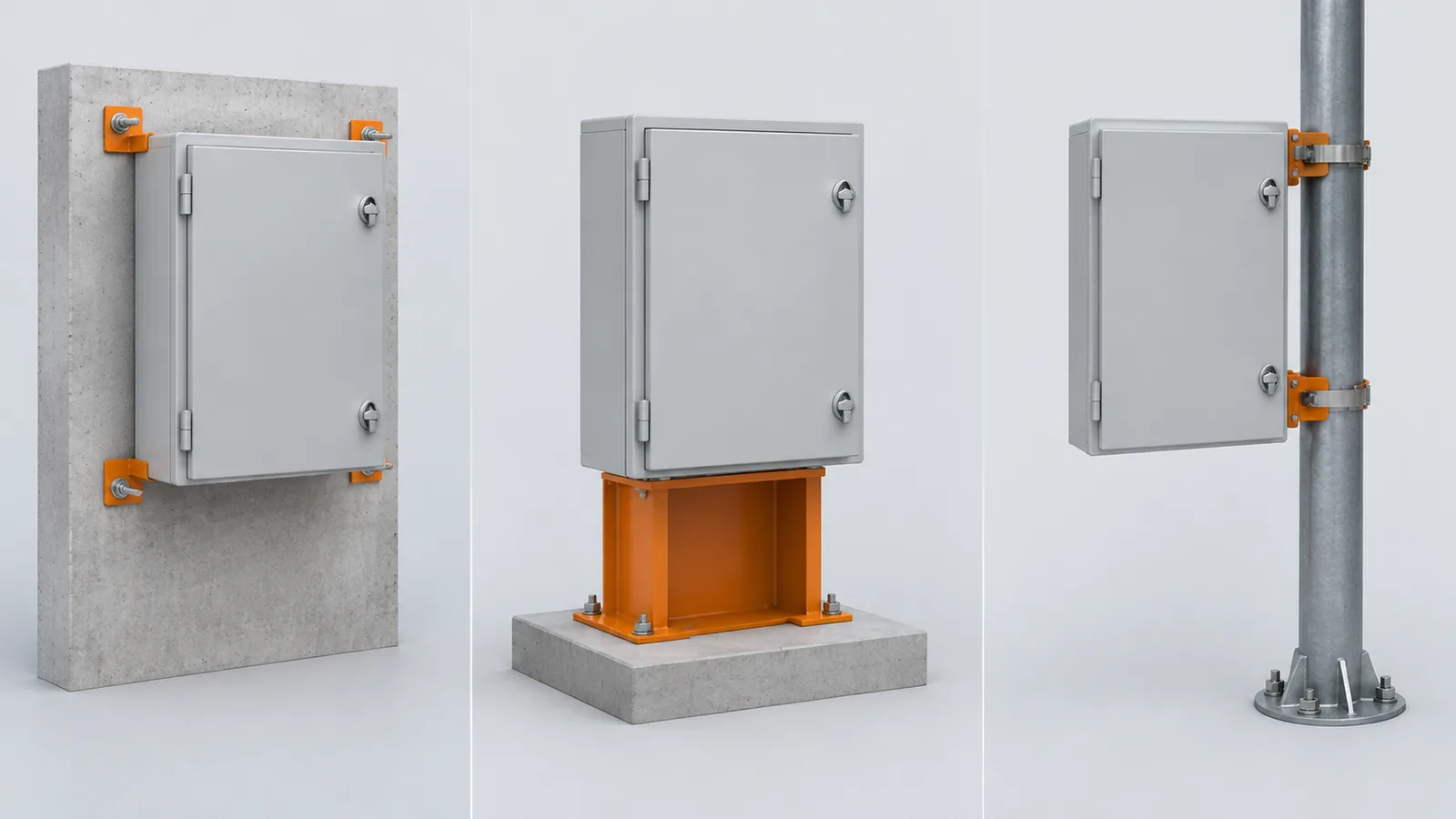
IK vs. IP vs. NEMA: keep the requirements separate
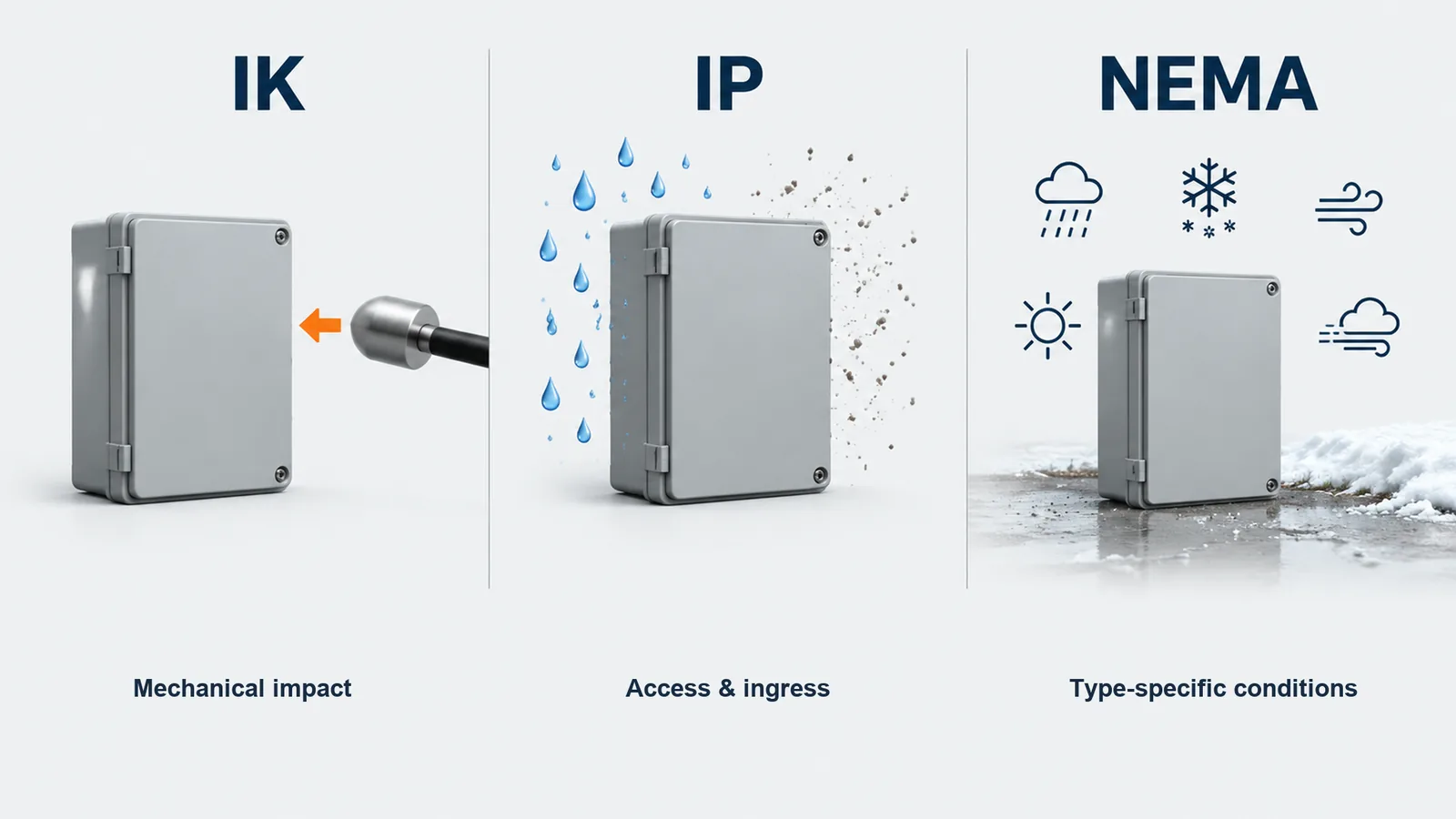
These designations answer different selection questions. Specify the ones your project needs and review their evidence together.[1][5][9]
| Designation | Main purchasing question |
|---|---|
| IK, under IEC 62262 | What specified external mechanical impact protection is established? |
| IP, under IEC 60529 | What protection is provided against access to hazardous parts and ingress of solids or water?[10] |
| NEMA enclosure Type | Which defined environmental protection requirements are covered, such as rain, hose-directed water or corrosion, depending on the Type? |
An IP66 marking does not establish IK10. Likewise, a NEMA Type isn’t an IK conversion. The relationship to check is whether the actual enclosure satisfies each required specification, including applicable post-impact criteria.[1][2][9]
If water exposure is also driving the purchase, use the waterproof enclosure selection guide to review IP/NEMA scope, materials and cable entries without turning the IK specification into a catch-all requirement.
What to include in your enclosure RFQ
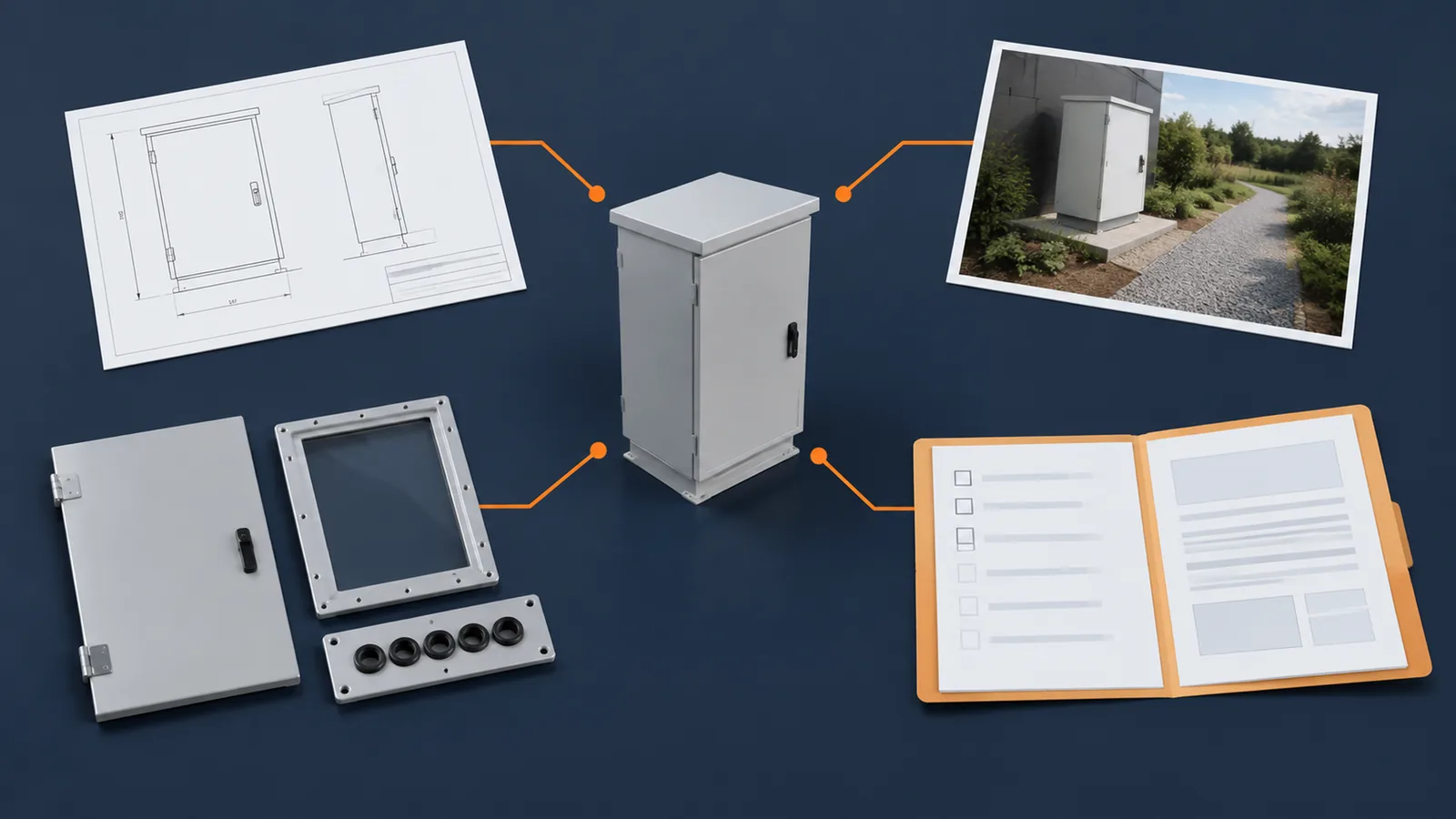
Give each bidder the same drawing and evidence request. Include:
- Dimensions, material, door arrangement and drawing revision.
- Installation location, mounting details and photographs of the surrounding area.
- Required IK level and specified standards or editions.
- Windows, cutouts, external devices, cable entries and supplied accessories.
- Separate IP, NEMA or other project requirements.
- Quantity, destination and required delivery date.
- Documents required for approval, with responsibility for any additional assessment or testing.
You can paste this into the RFQ:
Please confirm the IK rating applicable to the enclosure shown in drawing [number/revision], including the specified door, openings, accessories and mounting arrangement. Identify the supporting report or certificate and its scope. List any differences from the tested configuration, and state what assessment or testing is needed before approval. Please identify any related cost and schedule items separately.
For a drawing-based inquiry, send these inputs through FN’s custom electrical enclosures page. Include the protection target with the door layout and cutout details so the proposed supply scope and evidence requirements can be discussed together.
FAQ
Is IK10 the highest IK rating?
No. IEC 62262 Amendment 1:2021 lists IK11 at 50 J. IK10 corresponds to 20 J. Where a product standard requires a sandbag test, IK11 does not replace it.[2] Check the edition named in your project specification and the evidence supporting the proposed rating.
Does thicker steel automatically give an enclosure a higher IK rating?
No. Thickness alone doesn’t establish a tested rating. Ask for evidence covering the enclosure’s construction, dimensions, door and mounting configuration.[18][7]
Can I add a viewing window and keep the original IK rating?
Confirm the modified configuration before relying on the original claim. The window, frame and complete door need to fall within the supporting evidence. Published enclosure certificates can assign different ratings to metal enclosures and glass doors.[7]
Is an IK rating the same as third-party certification?
No. A rating states a protection level. Check whether its support is a manufacturer declaration, a test report or a third-party certificate, and examine that document’s scope. IEC publishes the standard; IEC itself does not issue product conformity attestations.[18]
Sources
[1] IEC 62262 consolidated edition catalogue
[2] IEC 62262 Amendment 1:2021 – Table 1 and clause 6.5
[4] IEC 60068-2-75:2014+AMD1:2025 catalogue
[5] IEC 60529 consolidated edition catalogue
[7] TEOS DEKRA test certificate 2251298.100, 18 January 2021
[8] BJS1 test report 15081337 001
[9] NEMA Surge Protection Institute – enclosure Type descriptions
[10] Schneider Electric Electrical Installation Guide – IP and IK