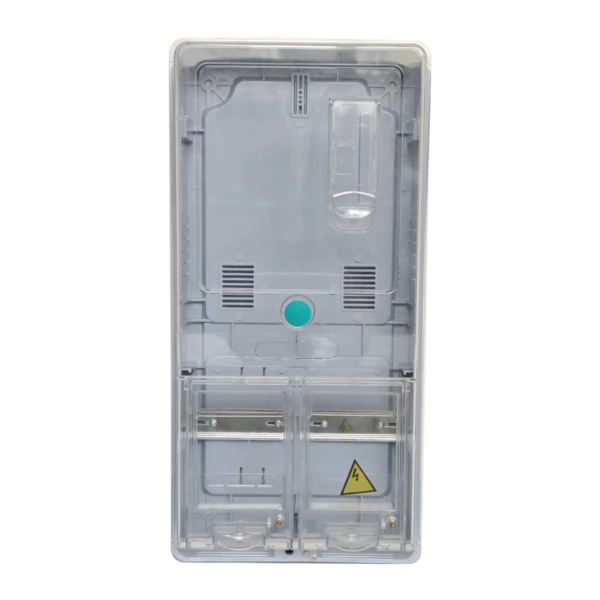
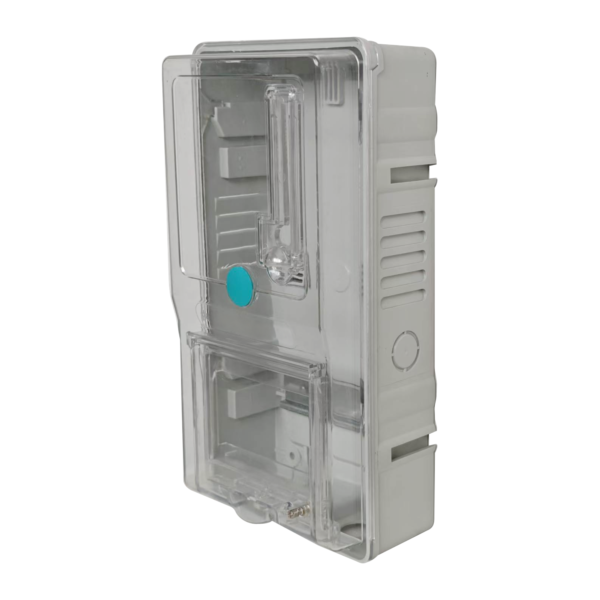
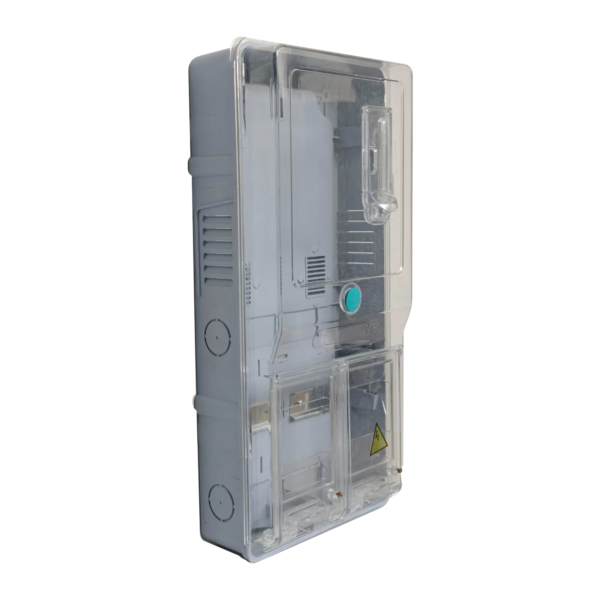
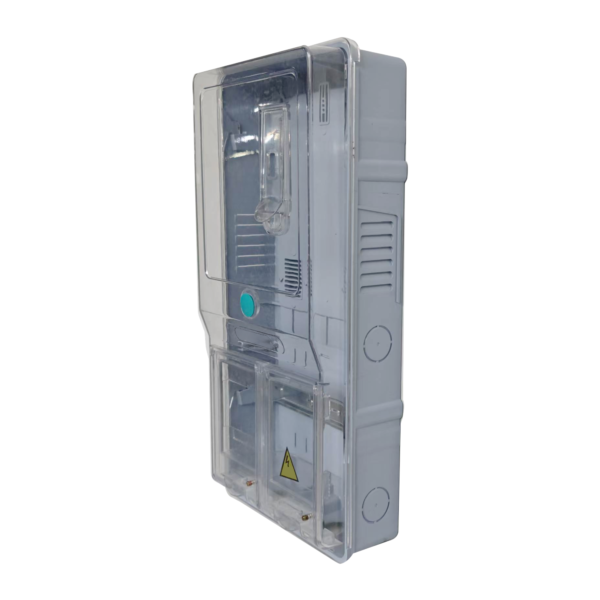
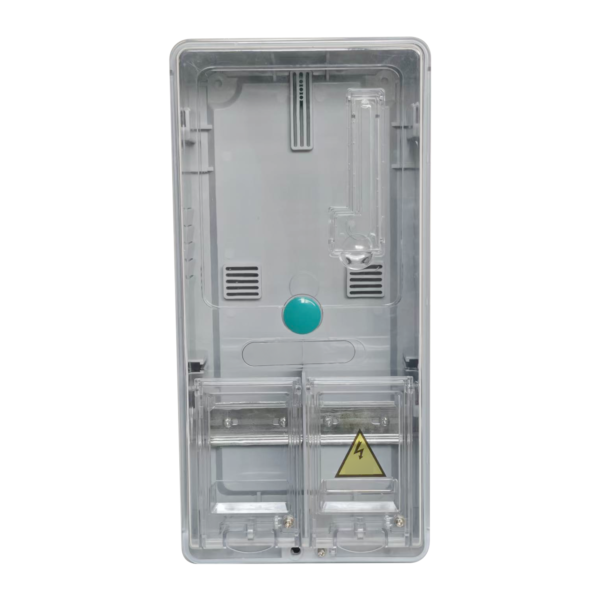
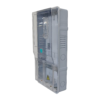
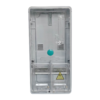
PLASTIC ENCLOSURE BODIES
Plastic Enclosures for Electrical Equipment
Start with the equipment layout and installation space. FN supplies plastic electrical enclosure bodies for projects that source the housing separately from the internal components. Define the usable space, cover access, mounting points and cable entries to select a suitable configuration.
List the cover, fasteners, seals and accessories required for the order.
Provide height, width and depth alongside the equipment layout.
State any ABS or polycarbonate requirement for review against model data.
Request an opaque or clear cover and the access arrangement your project needs.
Show the required mounting plate, DIN rail or other fixing arrangement.
Mark each opening, its size and the associated cable fitting on a sketch.
Best fit
- OEM and electrical projects sourcing enclosure bodies for their own equipment assemblies.
- Projects with a defined terminal, control-device or sensor layout and mounting requirement.
- Repeat purchasing where the enclosure drawing and included parts need to match an agreed configuration.
Supply scope
This page covers plastic enclosure bodies. The quotation identifies the selected model, cover and included mechanical parts.
Terminals, breakers, power supplies, switches, wiring and complete electrical assembly are separate scope items. List them explicitly if your enquiry includes more than the housing.
Use the internal layout to select the body. Include space for connections, cable routing and cover access as well as the equipment dimensions.
DESIGN & CUSTOM OPTIONS
Define the Size, Cover and Mounting Layout
A useful enclosure specification describes how the equipment fits, how the cover opens and how the body attaches to the installation. Send those details together so the model and accessory scope can be reviewed.
Selection inputs for a plastic enclosure
| Selection item | Provide in the enquiry | Resolve for the selected model |
|---|---|---|
| Overall size | Required height, width and depth, plus installation limits. | External dimensions and space needed to open or remove the cover. |
| Usable space | Equipment dimensions, connection positions and a layout sketch. | Internal mounting area and clearance around the assembled equipment. |
| Material | Any ABS, polycarbonate or other specified resin requirement. | Body and cover material information for the proposed model. |
| Cover and access | Opaque or clear cover; screw fastening or hinged access if required. | Available cover arrangement, fastening method and included parts. |
| Internal mounting | Required mounting plate, DIN rail, fixing positions and equipment weight. | Compatibility with the body and the accessory parts included in supply. |
| Installation | Wall or equipment mounting arrangement, fixing pattern and available access. | Mounting interface, brackets or lugs and installation hardware. |
| Cable entries | Marked opening locations, diameters or cut-out dimensions and fitting references. | Existing openings, requested changes and responsibility for fitting the entries. |
| Special requirements | Color, labels, packing, documentation or a proposed drawing change. | Feasibility, accepted scope and quotation conditions for that configuration. |
ABS and polycarbonate requirements
If your specification calls for an ABS enclosure or a polycarbonate enclosure, name that requirement in the RFQ. Specify body and cover materials separately where needed.
Material and cover combinations are selected by model. Use the proposed model data to review any required resin identification or material documentation.
Cover visibility and access
For a clear-cover requirement, show what must remain visible after assembly and where it sits inside the body. For regular access, describe the opening direction and surrounding clearance.
Clear lids, hinges, locks and other cover features are model-dependent requests. The selected configuration and parts list establish what is included.
Mounting interfaces and requested modifications
Show internal fixing points and external mounting positions on the same drawing. If a mounting plate or DIN rail is required, include its size, position and the equipment it will support.
For custom plastic enclosure enquiries, separate changes to an existing body from a new body shape or size. Mark proposed holes, cut-outs, labels and accessory locations. Availability, tooling needs and order conditions require review before a change is included in the quotation.
Send a marked-up drawing. Identify the drawing revision, opening positions and parts to be supplied so the requested configuration is clear.
ENGINEERING & QUALITY
Prepare the Drawing and Acceptance Requirements
Bring the enclosure drawing, equipment layout and parts list together before approving an order. Record the dimensions and checks that matter to installation and assembly.
Six points for configuration review
- Equipment fitShow component dimensions, connection positions, cable routes and usable mounting space.
- Cover accessAllow for the required opening or removal path and access to internal devices and fasteners.
- Mounting arrangementIdentify the fixing pattern, supporting surface, equipment weight and included hardware.
- Openings and fittingsList each cable entry, cut-out and fitting, including which party supplies and installs it.
- Parts and documentsRecord the body, cover, seals, fasteners and agreed accessories with the selected drawing revision.
- Acceptance criteriaSpecify critical dimensions, appearance, cover operation, required records and packing details.
Environment and documentation
Describe the installation location and expected exposure, including sunlight, moisture, temperature and chemicals where relevant. State the project requirements alongside the enclosure configuration.
Dimensions and interfaces
Identify dimensions and hole positions that control equipment fit. State any required tolerances and the checking method in the order requirements.
Cover and supplied parts
List the cover arrangement, fastening parts, seals and accessories. Define the appearance and operation checks required at acceptance.
Installation conditions
Describe indoor or outdoor placement, exposure and access needs. Include the proposed entries and fittings when requesting a model review.
Required evidence
List any required IP or NEMA rating, UL documentation, flame classification or UV evidence. Ask for documents identifying the applicable model and configuration.
Order records and packing inputs
| Area | Define in the enquiry | Record for the order |
|---|---|---|
| Drawing and parts | Model reference, layout, openings and accessory requirements. | Agreed drawing revision and itemized enclosure configuration. |
| Material documents | Required body and cover material information. | Available documents and the parts or model they describe. |
| Inspection and reports | Required checks, acceptance criteria and reporting format. | Agreed inspection scope and any additional work quoted. |
| Labels and packing | Quantity, destination, item labels, handling and packing requirements. | Packing instructions and identification of loose accessories. |
PROJECT QUOTATION
What to Send for a Plastic Enclosure Quote
Send the equipment layout and installation requirements with your quantity. A dimensioned sketch, reference photo or existing model drawing can start the discussion.
Supply boundary
| Area | Details to agree | Scope boundary |
|---|---|---|
| Body and cover | Model, material requirement, cover arrangement and fastening parts. | The quotation identifies the supplied enclosure configuration. |
| Mounting and entries | Plates, rails, brackets, openings and cable fittings requested. | Accessories and modifications are included only when listed in the agreed scope. |
| Electrical equipment | Any separately requested terminals, breakers, switches, power supplies or wiring. | Electrical devices and internal assembly are outside the enclosure-body scope unless separately quoted. |
| Project records | Required drawings, material documents, reports and acceptance checks. | Required documents and any additional work are agreed for the selected model and order. |
Eight details for quotation
- Application, model reference or photos of the required body.
- Overall height, width and depth, plus an equipment layout.
- Material requirement and opaque or clear-cover preference.
- Cover access, internal fixing points and accessory requirements.
- External mounting arrangement and installation limits.
- Cable-entry positions, cut-out sizes and fitting references.
- Installation environment and required ratings or documents.
- Quantity, destination, packing and target schedule.
Include the installed layout in the plastic enclosure RFQ. Show where the devices, connections and mounting points sit so the body and accessory scope can be reviewed together.
Plastic Electrical Enclosure FAQs
Does the enclosure include electrical components?
The standard enquiry scope is the enclosure body and agreed mechanical parts. Terminals, breakers, switches, power supplies and wiring are separate items. Include a parts list if your project enquiry also covers electrical equipment or assembly.
Can I specify ABS or polycarbonate?
Yes, state the material required for your project. An ABS or polycarbonate request is reviewed against the selected model and its available material information. Specify the body and cover separately if your project requires a particular combination.
Can I request a clear lid, hinged cover or DIN rail?
Include each item in the RFQ with its position and purpose. Availability and compatibility depend on the enclosure model. The quotation should list the accepted cover arrangement, mounting accessories and included hardware.
How do I choose the enclosure size?
Send all three overall dimensions and a drawing of the installed equipment. Include connection space, cable routes, cover access and the internal mounting arrangement. Review those details against the proposed model drawing before ordering.
Can I request holes, cut-outs or a different body size?
Send a marked-up drawing and quantity. Openings or accessory changes to an existing body and a new body shape or size require different reviews. Feasibility, tooling needs and accepted changes are established in the quotation.
Can a plastic enclosure be used outdoors?
State the intended exposure and any required IP or NEMA documentation, UV/weathering evidence or other project records. Outdoor suitability needs review for the exact body, cover, seals and entry arrangement. Request the relevant model information before approving the configuration.