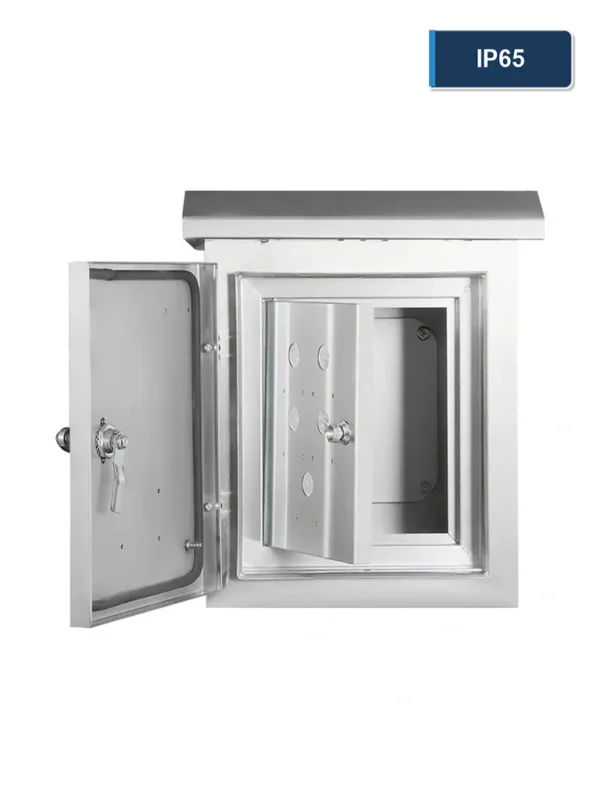
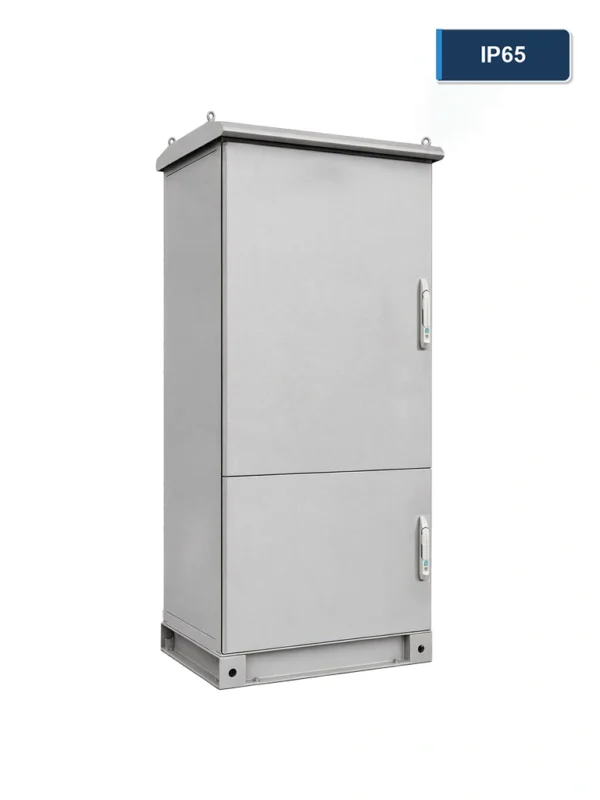
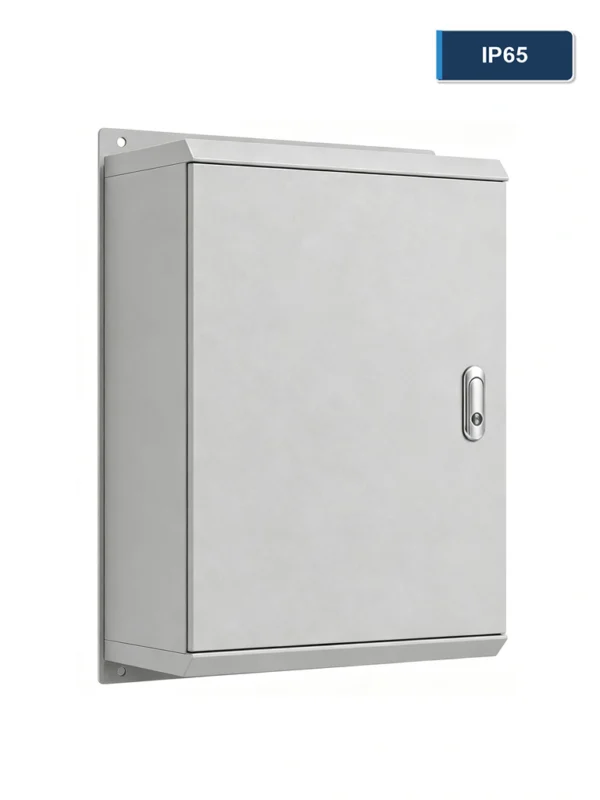
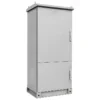
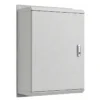
IP65 Electrical Enclosures
IP65-oriented design controls dust and rain exposure at the finished boundary, while heat, condensation and site modifications remain separate engineering questions.
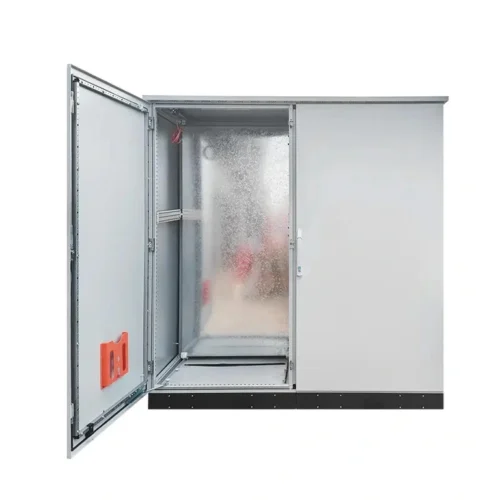
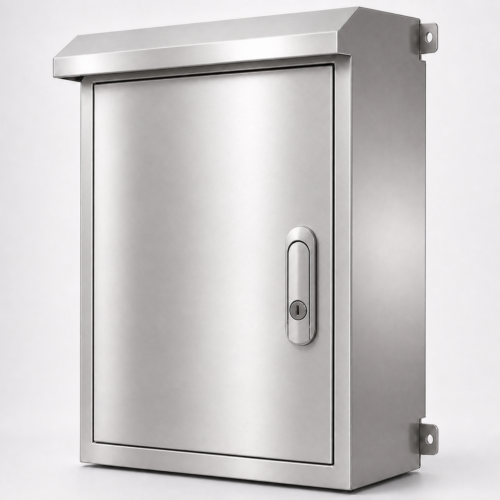
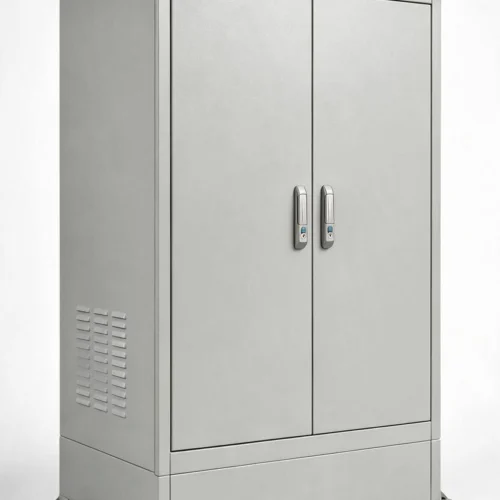
- OEM format: Wall-mounted, floor-standing and custom bodies designed around an IP65-oriented project brief.
- Project focus: Door and gasket fit, cable entry, rain management, dust paths, ventilation tradeoffs and condensation inputs.
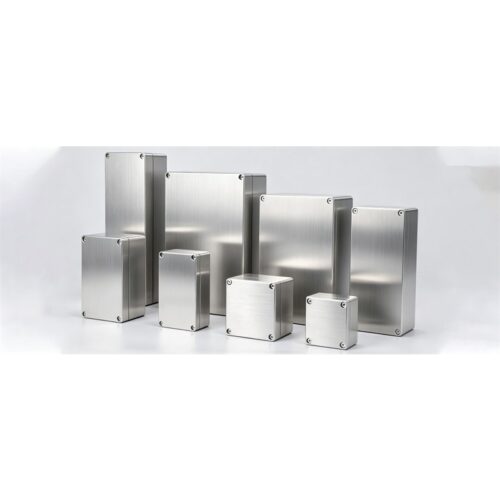
- Material route: Carbon steel, galvanized steel, stainless steel, aluminum, or project-specified material.
- Quotation basis: Drawing, environment, interfaces, quantity, evidence and supply boundary must be confirmed.
DRAWING-BASED OEM PROJECT
IP65 Electrical Enclosures for dust paths, ordinary-rain entries and condensation inputs
IP65-oriented design controls dust and rain exposure at the finished boundary, while heat, condensation and site modifications remain separate engineering questions.
The approved drawing sets the overall dimensions, door arrangement, mounting method and usable access.
Review the door, gasket, entries, filters, drains and service access as one boundary.
Choose the material and finish after reviewing corrosion, cleaning, visible surfaces and hardware.
State the target, installation direction, exposure and evidence required for the supplied configuration.
Agree the checks, photos, inspection records, tests and third-party requirements before quotation.
List what FN fits, what is supplied loose, what the customer supplies and what is installed on site.
Best fit
- Equipment is exposed to dust, humidity or outdoor rain rather than stronger direct water impact.
- The complete set of openings and field interfaces can be reviewed.
- The project distinguishes ingress control from heat and condensation control.
Not the default scope
- Treating IP65 as proof against every outdoor condition.
- Assuming a sealed box cannot develop internal condensation.
- Leaving fans, filters, top conduit or later drilling outside the configuration review.
FN's position: IP65-oriented design controls dust and rain exposure at the finished boundary, while heat, condensation and site modifications remain separate engineering questions.
DESIGN INPUTS
Control Dust and Ordinary-Rain Paths
Trace the weakest opening in the actual mounting direction while treating airflow and condensation as separate mechanisms.
| Project variable | Decision required |
|---|---|
| Protection basis | Exact target, environment, installed orientation and required evidence |
| Dust boundary | Door fit, gasket continuity, unused holes, filters, glands and maintenance |
| Rain management | Canopy, roof edge, drainage, entry direction, door edge and mounting angle |
| Cable/conduit | Gland schedule, conduit drainage, gland plate, bends and field modifications |
| Heat and condensation | Internal heat, sunlight, humidity, temperature cycle, ventilation, heater, breather and drain |
| Material and finish | Corrosion exposure, coating edges, stainless grade, hardware and cleaning |
| Inspection/test scope | Configuration checks, photos, customer inspection, test and third-party requirement |
| Supply boundary | Fitted/loose/customer components and field installation responsibility |
Boundary decisions before fabrication
Protection basis
Exact target, environment, installed orientation and required evidence
Dust boundary
Door fit, gasket continuity, unused holes, filters, glands and maintenance
Rain management
Canopy, roof edge, drainage, entry direction, door edge and mounting angle
Cable/conduit
Gland schedule, conduit drainage, gland plate, bends and field modifications
Drawing consequence: IP65 is not shorthand for every outdoor exposure; stronger direct water impact may require an IP66-oriented review.
ENGINEERING & QUALITY
Check Openings, Ventilation and Condensation Inputs
Inspect dust and rain openings first, then record thermal and moisture controls outside the ingress label.
IP65 boundary review sequence
- 01Map dust, rain, humidity and temperature cycling.The target IP65 requirement and the evidence needed for this configuration are recorded.
- 02Freeze doors, gasket and every opening.Doors, gaskets, openings and spare-entry closures are checked against the drawing.
- 03Coordinate cable entry, ventilation and maintenance.Cable entries, filters, drains and maintenance access are listed and assigned.
- 04Review heat and condensation separately from ingress.Fans, filters, heaters, breathers, drains and other thermal inputs are reviewed separately.
- 05Agree inspection and evidence for the supplied configuration.Material, finish, corrosion exposure and the agreed inspection scope are recorded.
- 06Record revisions, accessories, packing and destination.The drawing revision, accessories, packing, destination and first-article needs are confirmed.
Weak paths and maintenance-sensitive points
Check the gasket path, compression, hinge and lock engagement, and door operation.
Confirm the gland schedule, opening sizes, spare-entry closures and accessory responsibility.
Review entry direction, drainage, exposed edges, hardware compatibility and field modifications.
Record the approved revision, agreed checks, photos, documents and packing scope.
Evidence boundary: dust paths, ordinary-rain entries and condensation inputs must be tied to the approved drawing and the specifically quoted inspection or document scope. No current certification is claimed.
PROJECT FAQ
Send the IP65 Site and Boundary Inputs
Describe dust, ordinary rain and maintenance, then list ventilation and condensation controls separately.
1Drawing and installation orientation
2Target IP65 requirement and evidence scope
3Dust, rain, humidity and temperature conditions
4Cable/conduit and opening schedule
5Fans, filters, heater, breather, drain and thermal inputs
6Material, finish and corrosion exposure
7Quantity, sample/first article and inspection
8Destination, documents, packaging and field-work boundary
IP65 Electrical Enclosures project data and evidence status
| Field | Buyer-facing value | Status |
|---|---|---|
| Manufacturable size | Confirm overall dimensions, usable internal depth, installed orientation, transport limits, and required evidence from the approved project drawing. | Project-defined |
| Material and thickness | Carbon steel, galvanized steel, stainless steel, aluminum, or project-specified material; exact thickness remains on the drawing. | Conditional scope |
| Surface treatment | State the exposure, material grade, coating or visible-finish requirements, plus any cleaning and touch-up expectations, at quote stage. | Quote input |
| Fabrication route | The route follows door fit, gasket continuity, unused holes, filters, glands and maintenance; fixed equipment specifications are not published. | Scope confirmed later |
| Joining and sealing | Define the door and gasket path, seams, penetrations, hardware, and sealing method on the approved drawing. | Drawing decision |
| Tolerance and inspection | Door fit and gasket continuity; acceptance method must be agreed. | Acceptance input |
| Tests and files | Provide records for the dust paths, rain-entry points, condensation inputs, and agreed verification scope. No certification is claimed. | Conditional evidence |
| First article and batches | Agree inspection and evidence for the supplied configuration. | Customer requirement |
| Packaging and destination | Record revisions, accessories, packing and destination. | Delivery input |
| Project photographs | No approved public IP65-oriented enclosure customer-photo set is currently available. | Public evidence unavailable |
| Drawing examples | No anonymous IP65-oriented enclosure drawing case has been cleared for public release. | Public evidence unavailable |
| BOM and assembly boundary | Fitted/loose/customer components and field installation responsibility | Must be defined |
| Inquiry description | Describe door and gasket fit, cable entry, rain management, dust paths, ventilation tradeoffs and condensation inputs; verified family inquiry data has not been published. | Sales confirmation needed |
| Proven applications | Selection contexts are shown, but no approved completed-project list is public for this IP65-oriented enclosure. | Public evidence unavailable |
IP65 Electrical Enclosures buyer questions
What does an IP65 target address?
It is commonly used to frame dust ingress and water-jet exposure, but the exact standard, configuration and evidence must be identified for the project.
When should IP66 be reviewed instead?
Review IP66 when water exposure is stronger, washdown-like conditions are relevant or the customer requires that specific evidence. Do not choose by label alone.
Can an IP65-oriented enclosure condense internally?
Yes. Humidity, temperature change, conduit paths and internal heat can create moisture even when external openings are controlled.
Do fans and filters change the boundary?
Yes. Their openings, rated components, rain direction, dust loading and maintenance interval must be part of the configuration.
Is there an existing certification?
No current company or product certification is claimed. Any test or third-party document must be agreed as a project requirement.
Can top cable entry be used?
It requires deliberate rain-path, conduit, gland, canopy, drainage and sealing review. Uncontrolled top entry is a common risk.
Are custom sizes available?
Dimensions are defined by the project drawing. Unusual sizes require review of door behavior, sealing, mounting, handling and evidence scope.
What information avoids a weak quotation?
Provide the drawing, environment, opening/component schedule, thermal and condensation inputs, material/finish, quantity and required inspection or test records.