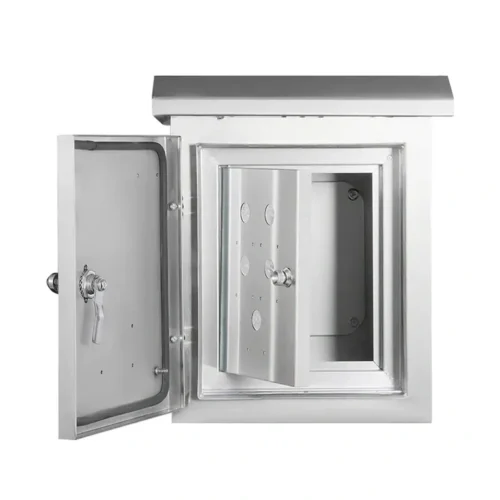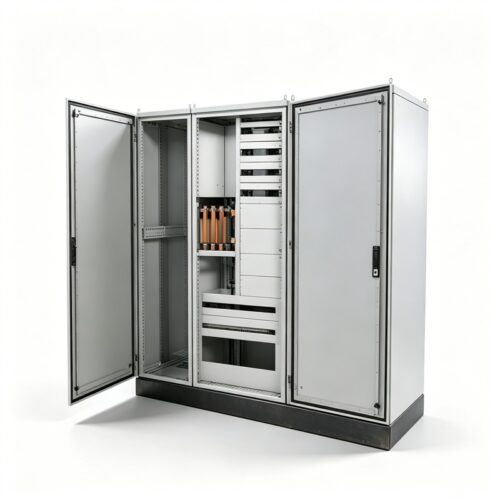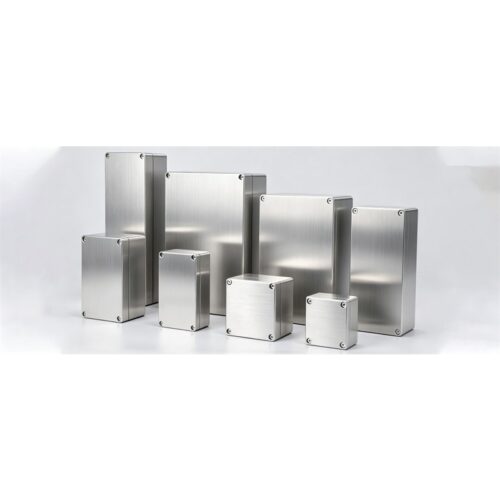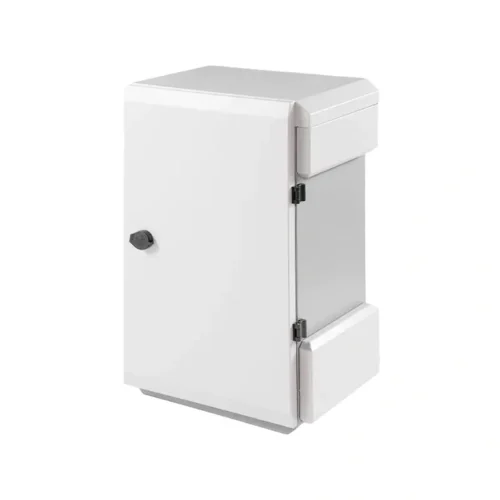
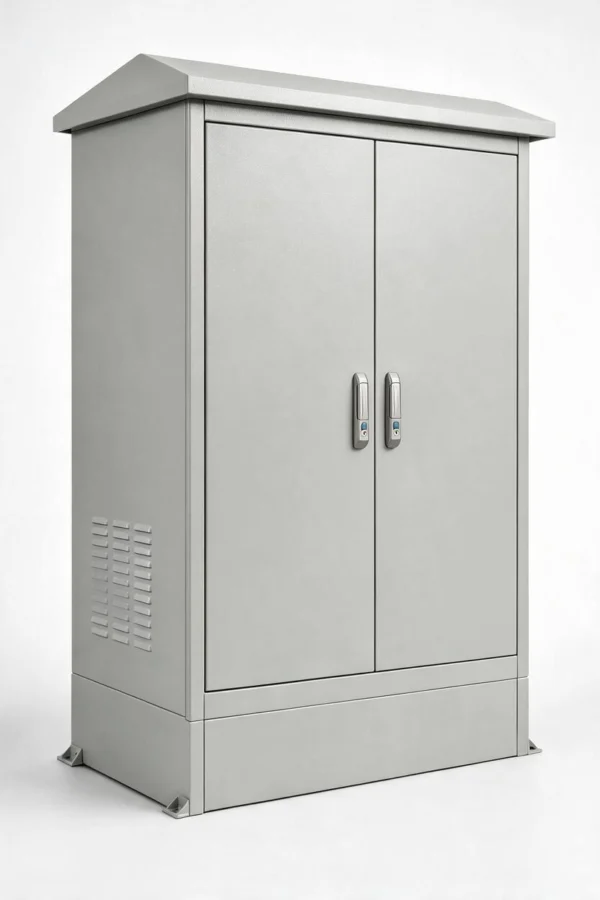
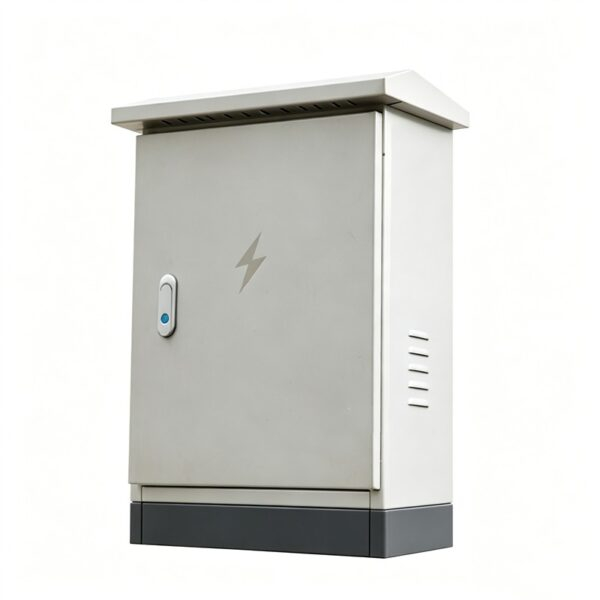
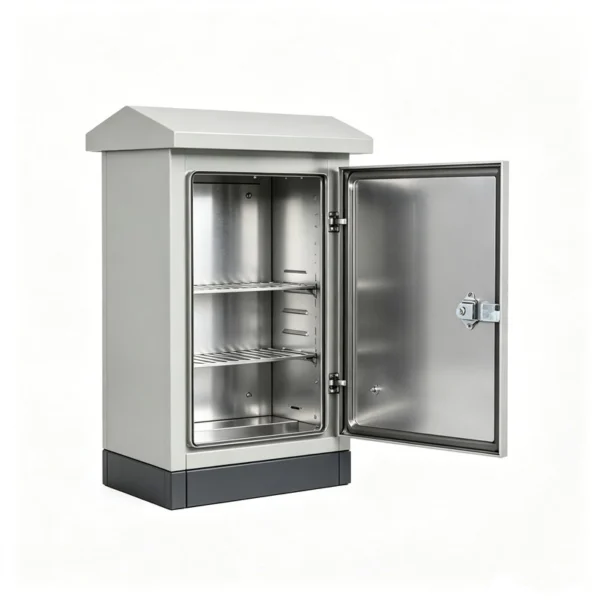
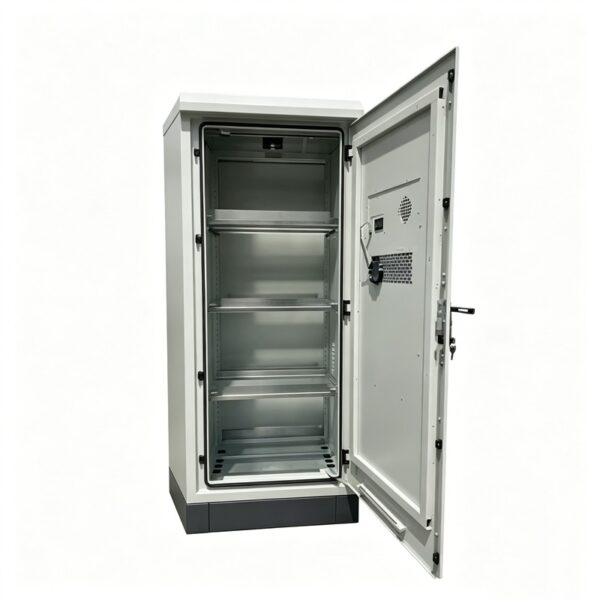
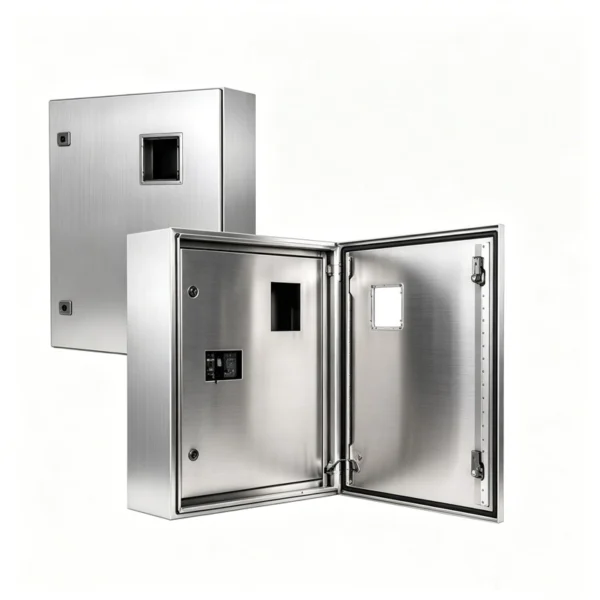
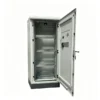
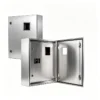
Outdoor Electrical Enclosures
Custom metal enclosure bodies for outdoor equipment, built to project drawings. Send the installation layout, available space and cable-entry requirements.
- Mounting: Wall, base or equipment integration; the structure is reviewed against your drawing.
- Site conditions: Tell us about weather exposure, equipment heat and service access.
- Material options: Discuss coated steel, galvanized steel, stainless steel or aluminum; grade and thickness are project-specific.
- To start: Send a drawing or sketch and quantity. Accessories, electrical assembly and site work need a stated scope.
CUSTOM OUTDOOR ENCLOSURE BODIES
Outdoor enclosure options for your installation
Custom metal enclosure bodies for outdoor equipment, built to project drawings. Start with the mounting position, available space and cable route.
Describe the installed position and fixing points. The final structure is reviewed against your drawing.
Include equipment clearance, cable bends and enough room to open the door for maintenance.
Discuss the required grade and finish. Material and thickness depend on the quoted configuration.
State the available shelter, humidity, equipment heat and any corrosion or cleaning exposure.
Show cable sizes and entry direction. Identify any fan, filter, heater, breather or drain requirements.
Separate supplied parts from customer components, electrical assembly and work at the installation site.
Choose the installation details
- Wall mounting: show fixing points, rear cable space and door clearance.
- Base mounting: include the footprint, cable route and maintenance space.
- Equipment integration: provide mating dimensions and service access.
Confirm before ordering
- Request any protection rating and supporting documents before quotation.
- State which accessories are supplied, fitted or provided by your team.
- Agree who handles electrical assembly, site installation and later modifications.
Start with your project: Send a sketch or drawing, the installation conditions and quantity. Manufacturing limits and accessory availability must be confirmed in the quotation.
DESIGN & CUSTOM OPTIONS
Specify dimensions, entries and thermal interfaces
Use the installation conditions to define the details below. Keep overall dimensions separate from the space available for equipment and cable bends.
| Project detail | What to specify |
|---|---|
| Dimensions and mounting | Overall width × height × depth, usable internal space, fixing points and door clearance. |
| Rain and drainage | Installed orientation, available shelter, roof and door edges, drainage and exposed openings. |
| Cable and conduit | Entry direction, cable sizes, gland-plate layout, seals, spare holes and cable bend space. |
| Heat and condensation | Ambient temperature, solar exposure and equipment heat; identify moisture sources before selecting thermal accessories. |
| Material and finish | Material grade, sheet thickness and finish; review cut edges, water traps and hardware compatibility for the site. |
| Accessory interfaces | Proposed fan, filter, heater, breather, drain or cooling-unit locations, with cutouts and maintenance access. |
| Inspection requirements | Critical dimensions, door fit and sealing details; list any test reports, photos or inspection records needed. |
| Supply and installation | Separate the enclosure body, fitted accessories and customer parts. State who handles electrical and site work. |
Check the details that affect outdoor performance
Rain paths
Review roof edges, door joints and cable entries together. A hood leaves these interfaces to resolve.
Door sealing
Check the gasket path, door-frame fit and the hinges and latches that hold the seal in contact.
Cable entry
Review cable-to-gland, gland-to-plate and plate-to-enclosure seals. Close every unused opening.
Heat and moisture
Allow for direct sun and equipment heat. Select heating, ventilation or drainage for the identified conditions.
Before adding accessories: Check sealing and service access at each new opening. A component rating does not establish the protection of the finished enclosure.
ENGINEERING & QUALITY
Agree the drawing, inspection and supply scope
Use the project drawing to record the enclosure dimensions, openings and fitted parts. The quotation should state what is supplied and which inspection records are included.
From project inputs to an agreed manufacturing scope
- 01Confirm the installed positionReview mounting points, overall dimensions, available shelter and maintenance clearance.
- 02Define doors, sealing and cable entriesRecord door-frame geometry, gasket paths, glands, plate seals and how spare openings are closed.
- 03Review heat and moistureConsider solar exposure, equipment heat and temperature changes before selecting thermal accessories.
- 04Specify material and finishState grade, thickness and finish. Check cut edges and hardware against the expected exposure.
- 05Agree inspection and requested documentsSet critical dimensions and acceptance criteria. Confirm the availability and scope of any tests or records.
- 06Set delivery and installation responsibilitiesAgree packaging and destination requirements, then identify customer assembly and site work.
Inspection points to define for the project
Review the installed water path and any geometry identified as critical on the drawing.
Check the gasket path, gland-plate joints, accessory seals and unused holes.
Inspect specified coating edges and contact points. Review hardware compatibility with the selected material.
Identify the drawing revision and fitted parts. Include photos or other records only as agreed in the offer.
Ratings and documentation: No IP or NEMA certification is claimed on this page. State the required rating, installed configuration and supporting documents so their availability can be confirmed before quotation.
PROJECT INQUIRY & FAQ
Send your outdoor enclosure requirements
Start with the installation conditions, dimensions, equipment heat if known, cable route and quantity. A sketch is enough for an initial discussion; detailed specifications can follow.
1Installation location and mounting arrangement
2Overall size or available space
3Equipment heat and thermal accessories, if known
4Cable-entry direction and required openings
5Quantity
6Then confirm: material, finish and hardware
7Then confirm: protection target and documents
8Then confirm: inspection, packaging and destination
Specification details for quotation
| Item | What to include | Basis for agreement |
|---|---|---|
| Enclosure dimensions | Overall width × height × depth, usable internal space and installation limits. No fixed size range is stated here. | Project drawing |
| Material and thickness | Requested steel, stainless steel or aluminum grade and thickness; confirm availability for the project. | Quoted material |
| Surface finish | Finish requirements, corrosion or cleaning exposure, and treatment of cut edges and contact points. | Site exposure |
| Body construction | Body joints, bend locations and removable panels. Identify features that affect access, sealing or assembly. | Drawing review |
| Joining and sealing | Body seams, door-frame geometry, gasket path, hinges and latches; include seals around removable panels. | Door and joint details |
| Tolerance and inspection | Critical dimensions, door fit and sealing details. Agree the acceptance method before production. | Acceptance criteria |
| Tests and documents | State the rating or test documents required. Availability and test scope must be confirmed in the offer. | Quotation scope |
| First article and batches | Request any first-article approval, sampling plan or batch records needed before ordering. | Agreed inspection plan |
| Packaging and destination | Shipping destination, handling constraints and packaging requirements. | Delivery requirements |
| Configuration photos | Identify which views or assembly details need recording, if photos are part of the agreed supply. | Agreed photo scope |
| Drawings and revisions | Provide a drawing or sketch. Record the revision used for manufacturing and inspection. | Approved drawing |
| Assembly and accessories | Separate the enclosure body, supplied accessories and customer parts; assign electrical and site work. | Itemized quotation |
| Initial inquiry | Send installation conditions, space constraints, heat information if known, cable route and quantity. | Initial project inputs |
| Application conditions | Describe the actual equipment and installation. Application examples do not prove a tested project result. | Site requirements |
Buyer questions
Is a rain hood enough for outdoor use?
No. Water can still reach door joints, cable entries or other openings. Review the hood with the installed orientation, drainage and exposed interfaces.
Can condensation occur inside a sealed enclosure?
Yes. Moisture inside the enclosure can condense on cold surfaces as temperatures change. Check moisture sources and temperature conditions before choosing controls.
Will a breather prevent condensation?
A breather has a limited role. Its suitability depends on humidity, temperature changes and the enclosure configuration; heating or drainage may also need review.
Where should cables enter the enclosure?
Bottom or sheltered side entry can reduce direct rain exposure. The route still needs suitable fittings, sealed spare holes, cable bend space and access for maintenance.
Which material should I specify?
Describe corrosion, cleaning and weather exposure, then discuss the material grade and finish. Include coating edges, water traps and hardware in the review.
Do you claim an IP or NEMA certification?
No IP or NEMA certification is claimed on this page. Include the target rating and required documents in your inquiry. The offer must confirm what evidence is available for the quoted configuration.
Can I add fans or make cutouts later?
Any new opening needs a review of sealing, exposure and the fitted component. Include planned additions in the drawing where possible, and assess field changes against the finished installation.
What is included with the enclosure?
Check the quotation for the body, fitted accessories and customer-supplied parts. Thermal equipment, electrical assembly, site work and inspection documents each need an explicit scope.