Corrosion Resistant Electrical Enclosures for Coastal Environments
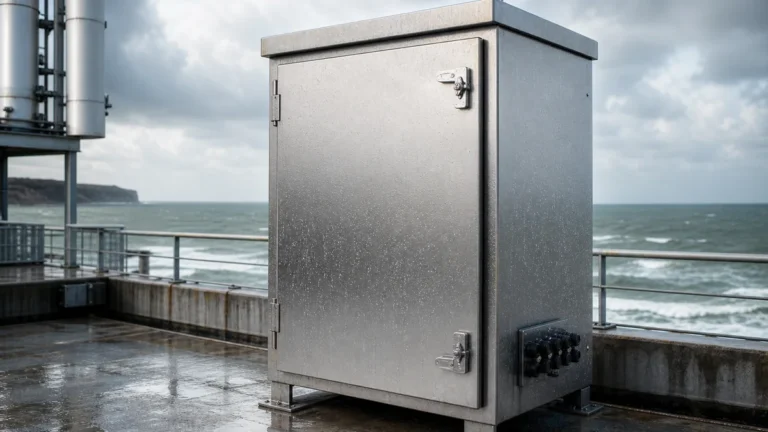
Compare 304, 316L, aluminum, coated steel, fiberglass and polycarbonate, then check NEMA 4X, IP66, hardware, glands, condensation and testing.


Compare 304, 316L, aluminum, coated steel, fiberglass and polycarbonate, then check NEMA 4X, IP66, hardware, glands, condensation and testing.
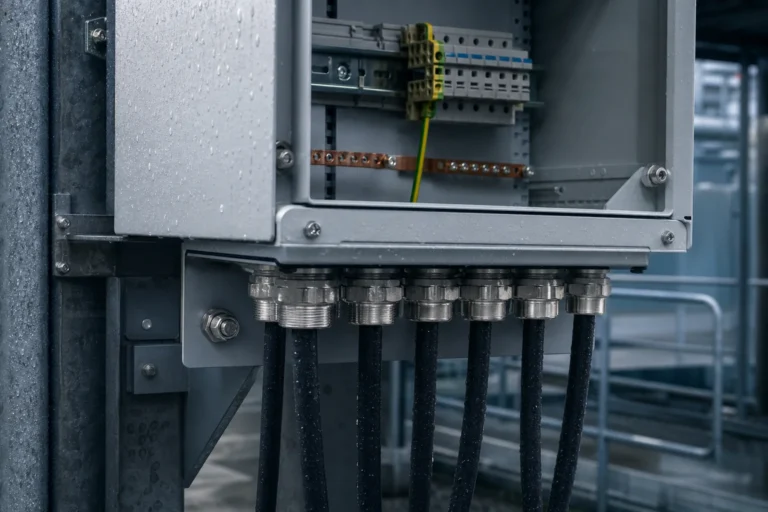
See how cable gland sizing, entry seals, gland plate flatness, gasket compression, cable routing, and condensation affect water ingress in enclosures.
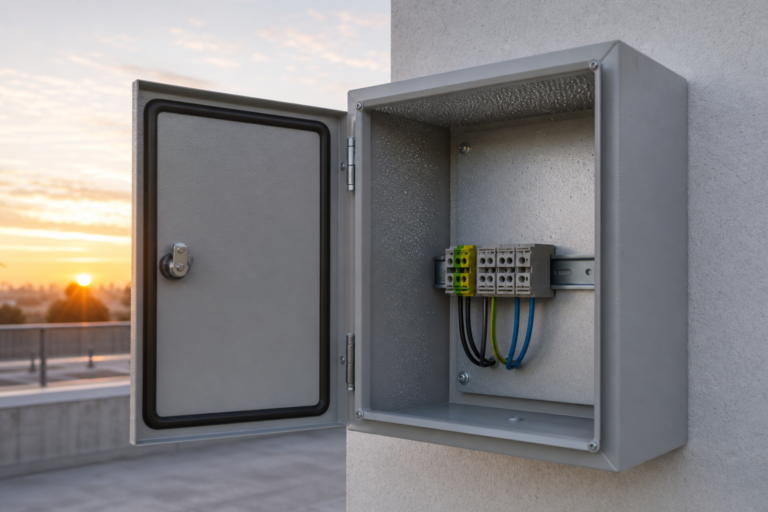
Condensation in electrical enclosures forms when moist air meets a cold surface. Learn how to document the cause and select practical controls.
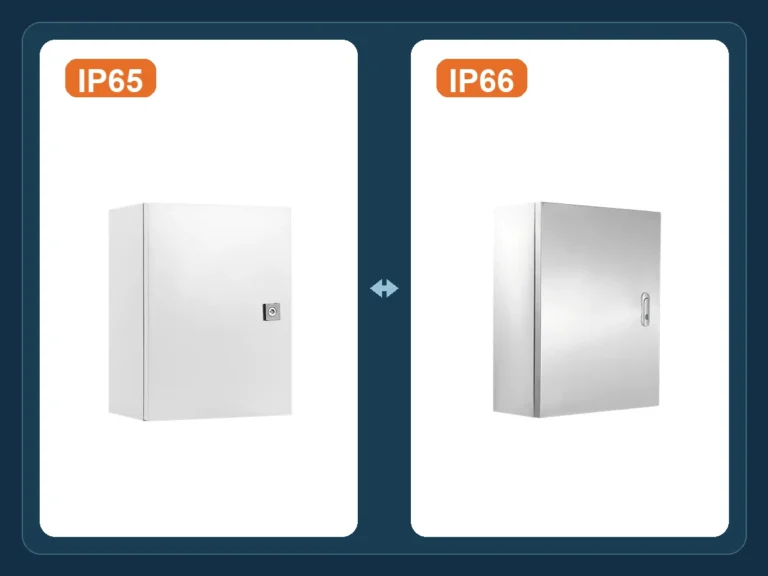
Compare IP65 vs IP66 electrical enclosures, water-jet protection, sealing details, cable entries, and when each rating fits your project.
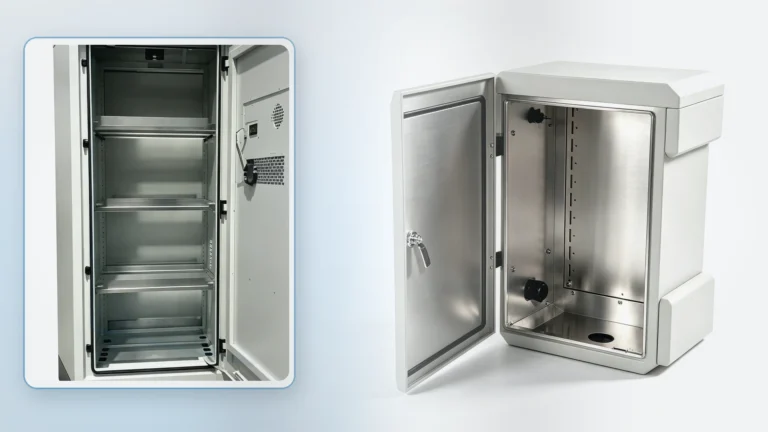
Learn how foam gaskets seal electrical enclosures, why compression set and aging cause leaks, and what to check before choosing a gasket material.
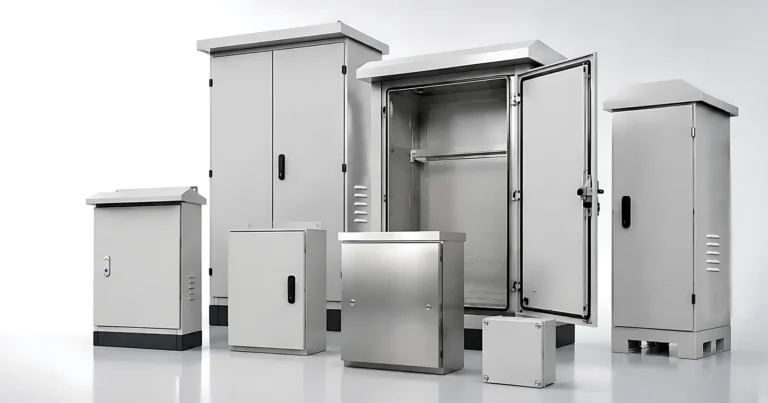
Learn when to use fans, filters, heaters, and air conditioners for electrical enclosure cooling and climate control, with practical selection rules.
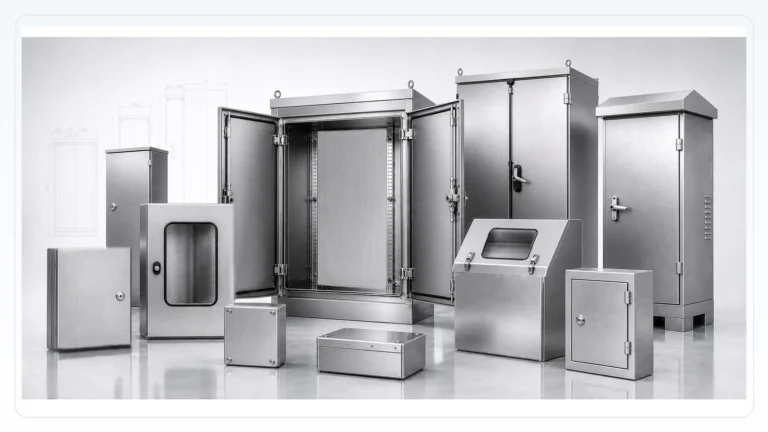
An electrical enclosure is a protective box or cabinet for electrical parts. Get the short answer first, then learn why type, material, rating, cable entry, sealing, and packaging matter before you request a quote.

Choose an electrical enclosure by checking the installation environment, component layout, mounting method, material, protection requirements, and heat load. Before ordering, confirm the cable entries, door hardware, supplier scope, and shipping arrangements. Outside dimensions alone leave too many of those…
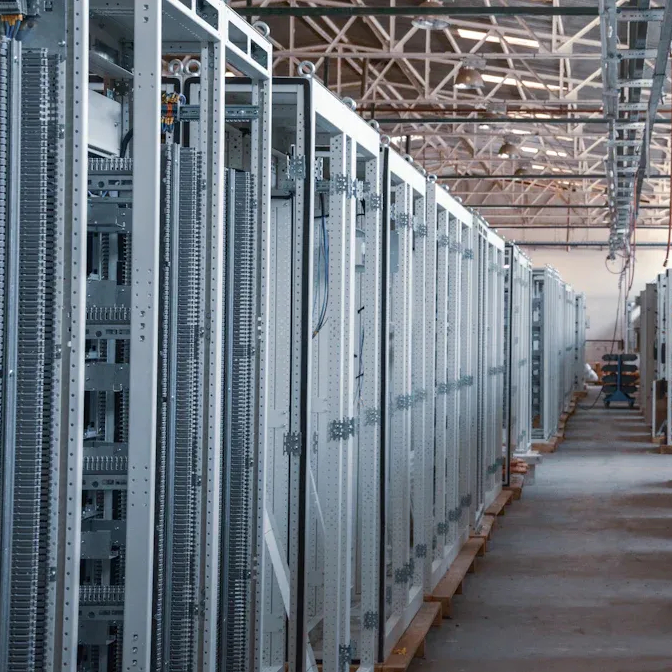
Short answer: There is no universal winner. Real projects show that the better choice depends on which failure mode is most likely to compromise the enclosure first. For indoor or covered installations, properly pretreated powder-coated steel is often the practical choice…