EXPOSURE-BASED OEM PROJECT
Start With Exposure, Not Stainless Steel
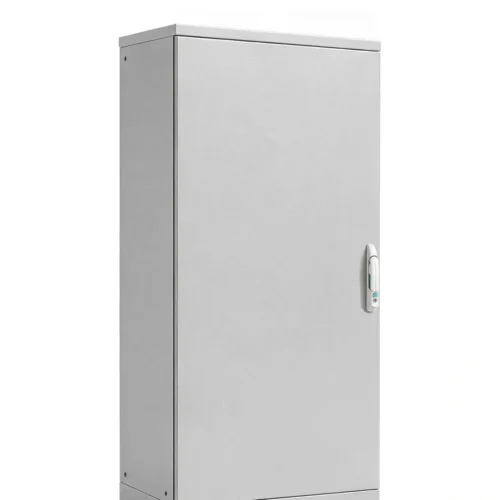
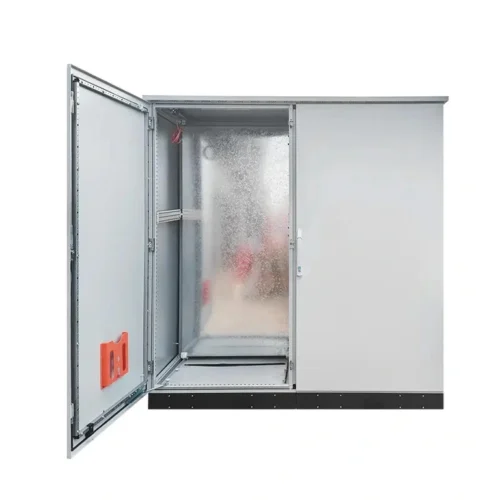
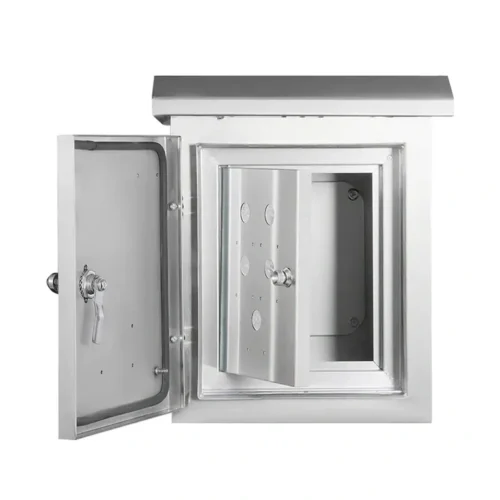
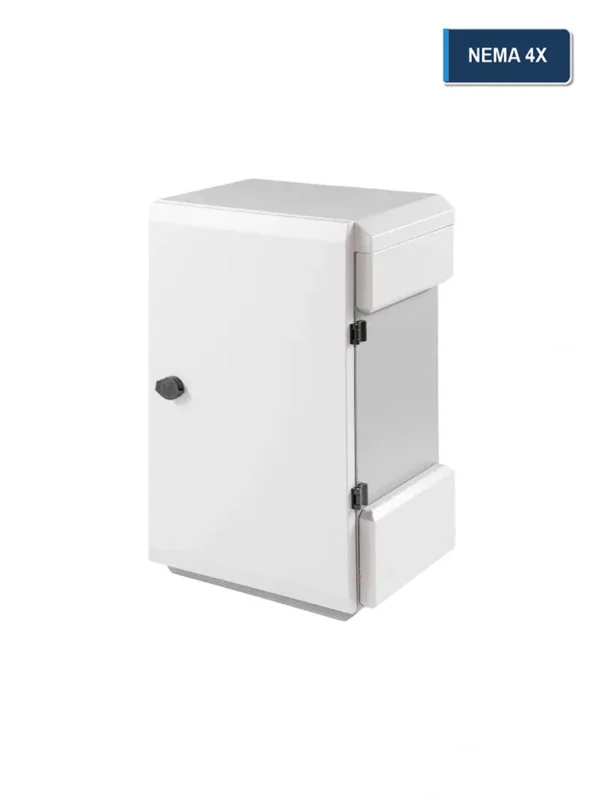
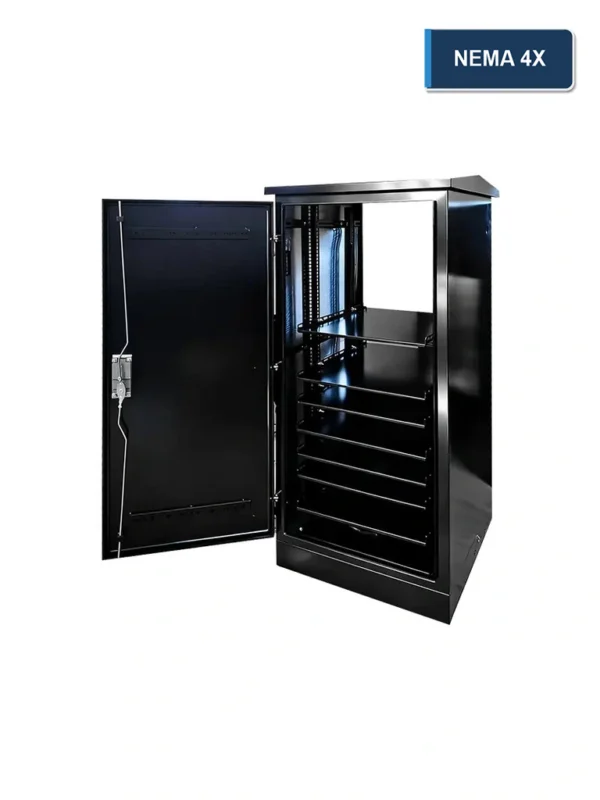
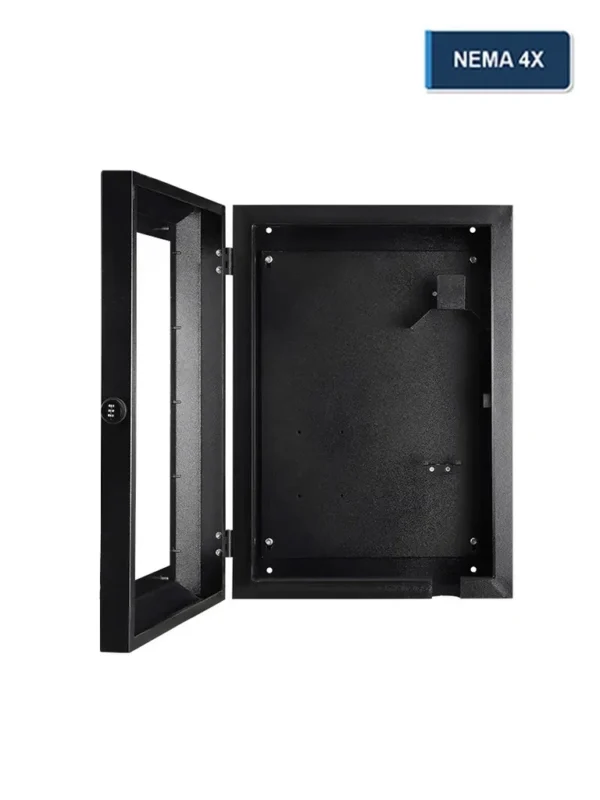
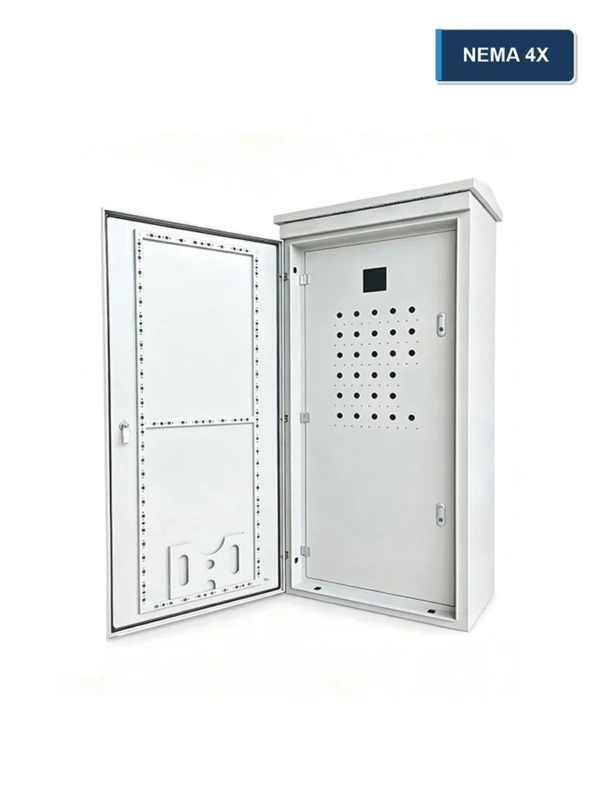
A NEMA Type 4X enclosure project must be reviewed as a finished configuration: environment, door, gasket path, openings, accessories, mounting and required evidence.
State water direction, frequency, pressure-related project requirements and installation orientation.
Name coastal air, chloride sources, cleaning agents and condensation conditions.
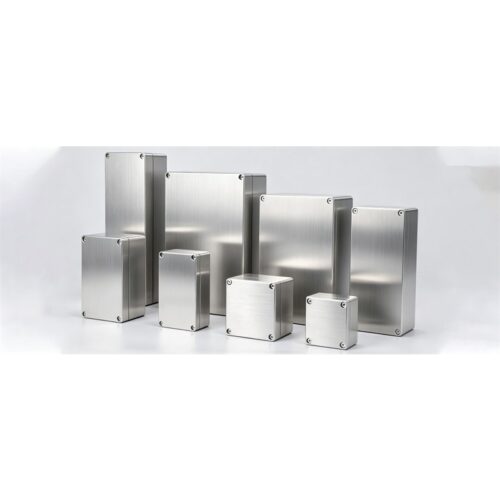
Select material after exposure review; material alone does not prove the finished result.
Review door size, mounted load, stiffness and the complete compression path together.
Put every penetration and supplied accessory on the released drawing.
Testing, third-party files and acceptance records must be named before quotation.
Best fit
- The project references NEMA Type 4X and the real exposure is documented.
- Door, gasket, openings and installed accessories can be fixed before release.
- The RFQ names the inspection, documents and third-party evidence required.
Not the default scope
- Choosing stainless steel only because the enclosure is outdoors.
- Adding a fan, window, gland or field cut-out after configuration review.
- Treating an empty metal body as proof of the completed enclosure result.
DESIGN INPUTS
The Drawing Must Control Every Seal and Opening
A Type 4X reference does not decide the hinge side, gasket path, gland plate, cooling method or field work. Freeze these interfaces before fabrication.
| Project variable | What to define | Why it matters |
|---|---|---|
| Exposure and orientation | Rain, spray, cleaning method, corrosive agents, sun, temperature and mounting direction | Sets the material, closure, drainage and accessory review inputs. |
| Door and closure | Door size, hinge side, latch locations, gasket path, door-mounted load and removable panels | Controls stiffness, compression, access and repeatability. |
| Cable entries | Entry direction, hole sizes, cable bend radius, gland plate and supplier responsibility | Prevents late penetrations from bypassing the reviewed configuration. |
| Windows and operators | Cut-out, frame, sealing interface, weight and rear clearance | Connects external components to the door and sealing design. |
| Thermal interfaces | Heat load, ambient range, solar exposure, condensation risk, fan or sealed-cooling cut-outs | Aligns thermal choices with openings and the target project requirement. |
| Installation and field work | Wall, floor or equipment mounting, conduit routes, supports and planned site drilling | Makes post-delivery changes visible before quotation. |
| Required evidence | Inspection points, photographs, material or finish files, first-article records and third-party testing | Prevents a Type label from being mistaken for an agreed evidence package. |
ENGINEERING & QUALITY
The Released Configuration Must Match the Evidence
Inspection and documentation should follow the exact enclosure supplied, including doors, openings, accessories and customer-provided parts.
Type 4X project release sequence
- Record exposureList water, cleaning, corrosion, temperature, condensation and installation conditions.
- Close responsibility gapsName who supplies glands, plugs, windows, cooling parts and field-installed components.
- Release one complete drawingInclude material, finish, openings, hardware, accessories and supply boundary in one approved revision.
- Check the first unit when requiredVerify critical dimensions, door movement, hardware, gasket path, mounting points and opening positions.
- Inspect repeat units to the releaseUse the approved drawing and agreed inspection plan, not a generic enclosure description.
- Protect interfaces during deliverySecure doors and loose parts and protect finish, gasket faces and fitted accessories from transport damage.
| Evidence item | Project decision | Status |
|---|---|---|
| Target requirement | Name the NEMA Type, customer specification and applicable configuration. | Customer requirement |
| Finished configuration | Door, gasket, hardware, openings, accessories, mounting and field-work boundary. | Drawing decision |
| Inspection | Critical dimensions, operation, finish, interfaces and first-article checks. | Acceptance input |
| Tests and documents | Specify required photographs, reports, material files or third-party evidence before quotation. | Conditional evidence |
| Supply boundary | Mechanical enclosure scope is separated from wiring, components, programming, system testing and final certification. | Must be defined |
PROJECT FAQ
Send the Exposure and Complete Configuration
A useful quotation needs more than “NEMA 4X” or a stainless-steel grade.
| RFQ input | What FN needs | Status |
|---|---|---|
| Exposure | Water source, cleaning method, corrosive agents, temperature and mounting orientation. | Required |
| Configuration | Door layout, gasket path, cable entries, gland plates, windows, cooling parts and plugs. | Required |
| Drawing control | Approved revision, dimensions, materials, finish, hardware and customer-supplied components. | Required |
| Field work | Planned drilling, conduit entries, accessory installation and responsibility after delivery. | Must be defined |
| Evidence package | Inspection record, photographs, material or finish files, testing and third-party documents if mandatory. | Conditional evidence |
NEMA Type 4X buyer questions
Does stainless steel automatically make an enclosure Type 4X?
No. Material is one input. Doors, gaskets, hardware, openings, accessories, mounting and field changes also affect the completed configuration.
Should I use 304 or 316 stainless steel?
Choose after reviewing chloride, coastal air, cleaning chemicals and the expected service environment. The Type label alone does not select the grade.
Can windows, fans or cable glands be added?
They can be included when the drawing identifies the cut-out, sealing interface, supplied component and responsible party before release.
Is NEMA Type 4X the same as IP66?
No one-to-one equivalence should be assumed. Treat NEMA and IP requirements as separate project inputs and name the evidence required for each.
Does this page claim that FN products are NEMA certified?
No. NEMA Type 4X is used here as a project requirement. Certification, testing and third-party evidence must be agreed and documented separately.
What should I send for a useful quotation?
Send the drawing, quantity, installation location, water and cleaning exposure, corrosion risks, material, opening schedule, accessories, thermal data, inspection needs and required documents.